Abstract
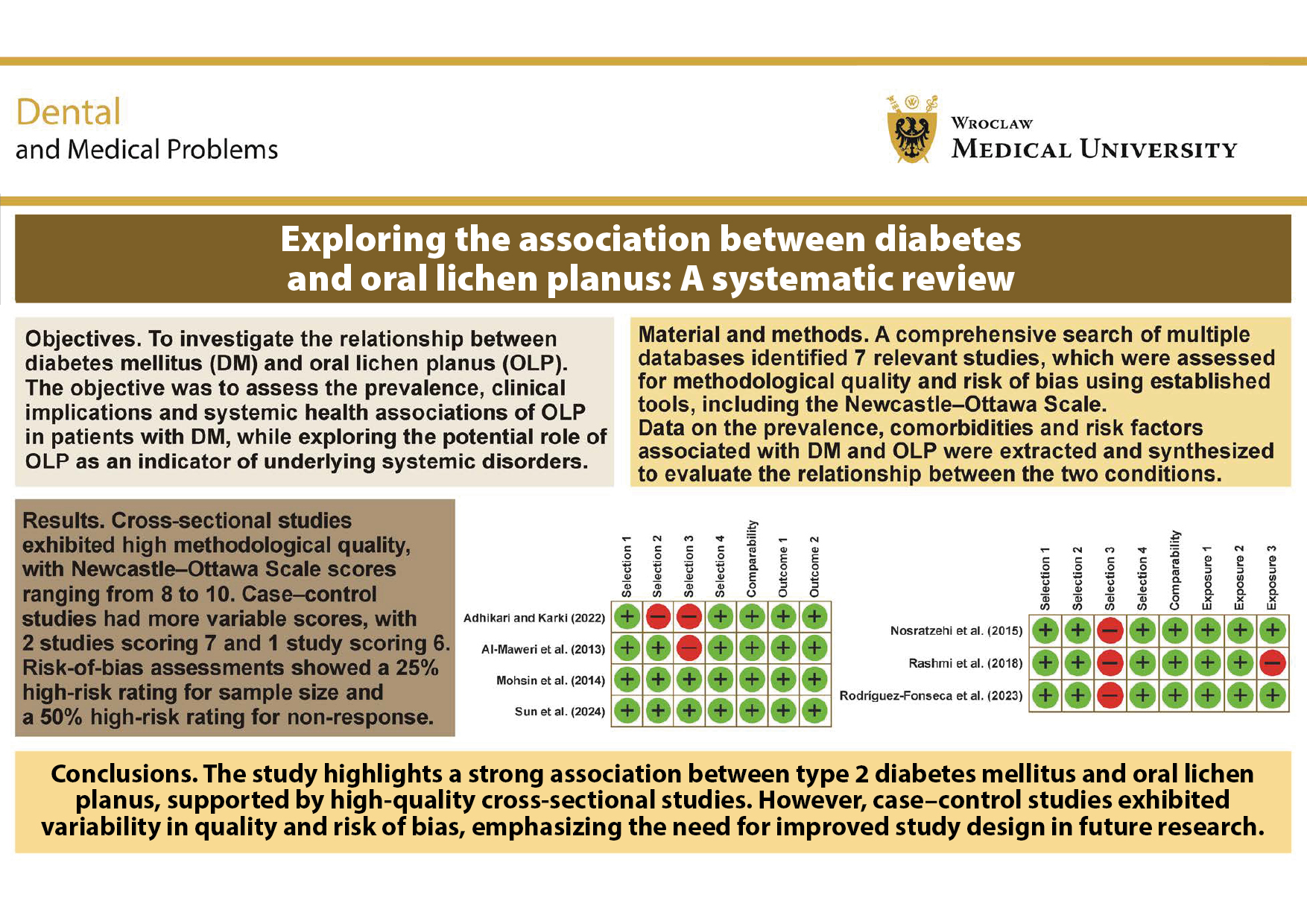
Persistent inflammatory oral mucosal lesions characteristic of oral lichen planus (OLP) have attracted considerable attention due to their potential association with diabetes mellitus (DM). This systematic review aimed to synthesize evidence from different study designs, including cross-sectional and case–control studies, to clarify the complex relationship between OLP and DM. The study was conducted according to predefined objectives and eligibility criteria. Using the PECOS framework, the review evaluated the prevalence, risk factors and comorbidities associated with DM among individuals with clinically diagnosed OLP. A search strategy combining Medical Subject Heading (MeSH) terms and relevant keywords was applied across multiple databases. The findings demonstrated variability in the reported prevalence and clinical associations between type 2 DM (T2DM) and OLP. Some studies reported a strong correlation, whereas others yielded conflicting findings, potentially reflecting methodological differences. Cross-sectional studies generally demonstrated high methodological quality, supporting the reliability of findings. Case–control studies showed greater variability in methodological quality, with some areas requiring improvement. Quality assessment using the Newcastle–Ottawa Scale (NOS) indicated generally good methodological quality, although differences in selection and comparability were observed across studies. The risk-of-bias assessment identified potential sources of bias, emphasizing the need for cautious interpretation of the available evidence. This study underlines the importance of standardized management procedures, emphasizes individualized patient care and supports further research into the mechanisms underlying the association between OLP and DM.
Keywords: HbA1c, diabetes mellitus type 2, oral lichen planus, metabolic control, clinical association
Introduction
Oral lichen planus (OLP) is a chronic inflammatory mucocutaneous disorder characterized by painful erosions and reticulated white striae affecting the oral mucosa. Despite extensive research on this topic, the etiology of OLP remains complex due to immune dysfunction, hereditary factors and systemic associations. One such systemic association is diabetes mellitus (DM), a metabolic disorder.1, 2 Type 2 DM (T2DM) is characterized by insulin resistance, hyperglycemia and systemic inflammation, and is associated with various oral manifestations, including periodontal disease, candidiasis and delayed wound healing. Several studies have reported a higher prevalence of OLP in patients with DM, suggesting a bidirectional relationship.3, 4 A meta-analysis by Mozaffari et al. demonstrated a significant correlation between DM and OLP, highlighting an increased risk of OLP in individuals with DM.5 Similarly, Dave et al. confirmed this association and emphasized the role of systemic conditions and medications on the clinical presentation of OLP.6 Further supporting evidence comes from a systematic review by Otero Rey et al., which demonstrated a higher prevalence of OLP among individuals with DM.7
The mechanisms underlying the association between OLP and DM remain incompletely understood, but several plausible explanations have been proposed. Hyperglycemia-induced oxidative stress may be an important contributing factor, as it can promote immune dysregulation and chronic inflammation, exacerbating OLP lesions.2, 8 Genetic susceptibility may also play a role, with studies identifying shared genetic markers between OLP and DM, suggesting that immune system alterations in predisposed individuals may increase susceptibility to both conditions.9 Beyond genetic factors, insulin resistance and altered cytokine profiles in diabetic patients contribute to a persistent pro-inflammatory state that may increase susceptibility to OLP.10 Additionally, hypertension, which frequently coexists with DM, may contribute to systemic inflammation and potentially exacerbate oral mucosal damage.11 The association between OLP and DM is further supported by evidence suggesting that individuals with OLP may exhibit early metabolic disturbances, highlighting the potential value of metabolic screening for the detection of prediabetes before it progresses to DM.12 Epidemiological studies have also highlighted demographic variations in the coexistence of OLP and DM, indicating that population-specific factors should be considered when evaluating this association.2, 8 Clinical observations further suggest that DM may influence not only susceptibility to OLP but also its clinical severity, with a higher prevalence of erosive forms reported among patients with DM. This association may be related to delayed wound healing and chronic inflammatory processes commonly observed in DM.13 Given the association of OLP with several systemic conditions, a multidisciplinary approach involving oral medicine specialists, dermatologists and endocrinologists is essential for comprehensive patient management.14, 15 From a broader perspective, systematic reviews and meta-analyses have revealed substantial geographic variation in the prevalence and incidence of OLP, suggesting that environmental, genetic and systemic health factors may all contribute to its development.16 Collectively, these findings underscore the importance of early metabolic screening in patients with OLP and support an integrated, patient-specific approach to management.
The relationship between OLP and DM has been widely investigated due to the potential metabolic and inflammatory effects of DM on the development of OLP.5, 17 Although several studies have reported a higher prevalence of OLP among patients with DM, the exact nature of this association remains unclear. Some studies, including those by Nosratzehi et al., found no significant correlation, indicating that genetic predisposition, environmental factors and variations in diagnostic criteria may contribute to the inconsistent findings.18 Additionally, OLP has been associated with other systemic disorders, including hypertension, further complicating its pathogenesis.11, 19 Geographic variations in the prevalence of OLP, as highlighted by Dammak et al., emphasize the importance of considering population-specific and regional factors.13 Given the chronic nature of OLP and its potential systemic associations, this review aimed to evaluate the existing evidence, assess prevalence and risk factors, and explore diagnostic and therapeutic advancements to improve disease management and patient outcomes. The objective was also to enhance diagnostic accuracy, refine therapeutic strategies and promote interdisciplinary collaboration for improved disease management and patient outcomes.
Material and methods
Study design
This systematic study investigated the relationship between DM and OLP using a comprehensive methodological approach.
Protocol
Before the systematic review was initiated, a detailed protocol outlining the objectives, inclusion criteria, search strategy, and methodology was developed. The protocol was designed to enhance transparency and provide a structured framework for the review process.
PECOS framework
The study followed the PECOS framework, as outlined below:
• Population (P): Individuals clinically diagnosed with OLP from diverse backgrounds and settings;
• Exposure (E): DM as the primary exposure, with its association with OLP being evaluated;
• Comparison (C): Patients with OLP with and without DM, compared in terms of prevalence, risk factors and comorbidities;
• Outcome (O): The association between DM and OLP, including prevalence, co-occurrence, risk factors, and related comorbidities;
• Study design (S): Cross-sectional, case–control and observational studies.
Search strategy
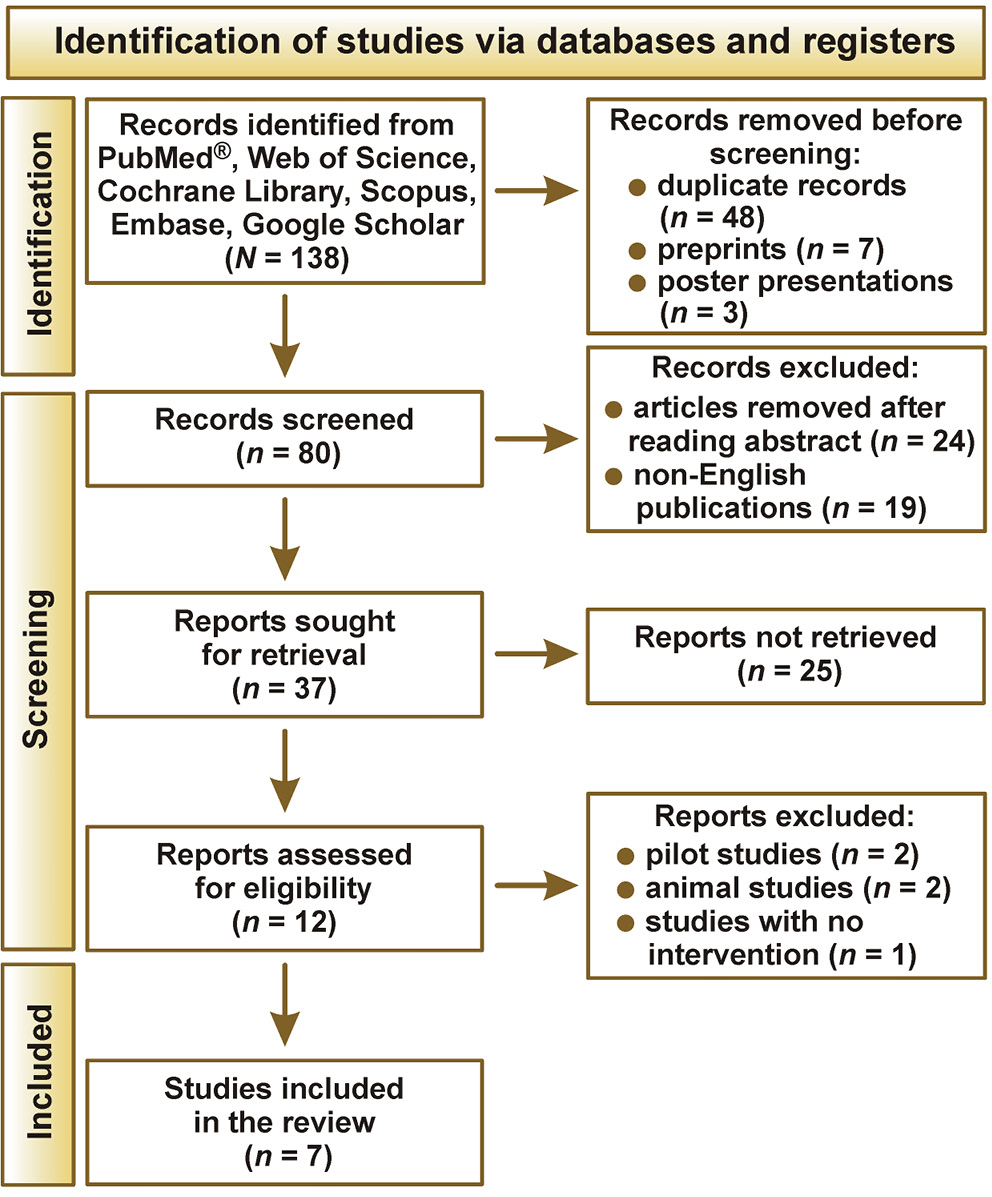
A comprehensive literature search was conducted in PubMed®/MEDLINE, Embase, the Cochrane Library, Scopus, and Web of Science to identify relevant studies published between 2013 and 2023. The systematic review was conducted in accordance with the Preferred Reporting Items for Systematic Reviews and Meta-Analyses (PRISMA) 2020 guidelines. The search strategy combined Medical Subject Headings (MeSH) terms and keywords related to OLP and DM. Boolean operators (AND, OR) were used to refine specificity and inclusivity. Keywords related to OLP included “Oral LP”, “Mucosal Lichen Planus”, “Oral Lesions”, and “Oral Inflammatory Disorder”. Terms related to DM included “DM”, “Diabetic”, “Metabolic Disorder”, and “Hyperglycemia”. To capture the association between the 2 conditions, terms such as “Link”, “Correlation” and “Interplay” were used. A total of 138 records were retrieved, screened and assessed by 3 independent reviewers (VPV, GM, HU). Any disagreements were resolved through discussion. After applying the predefined PRISMA-based inclusion and exclusion criteria, 7 studies were selected for the final analysis.
Eligibility criteria
The included studies were required to have been published in peer-reviewed journals between 2013 and 2023 and to investigate the potential association between DM and OLP using clinical or observational research designs. Only studies published in English were considered, and articles reporting relevant information on comorbidities, risk factors and the prevalence of DM and OLP were included. Studies published in languages other than English, those that did not examine the association between DM and OLP, and studies that did not use a clinical or observational research design were excluded. Editorials, reviews and case reports without original research were also excluded. This selection process ensured the inclusion of studies relevant to the comprehensive analysis of the relationship between DM and OLP.
Data extraction, collection and synthesis
Data extraction was performed using a systematic approach. Extracted information was organized according to study design, participant characteristics and outcome measures, facilitating consistent synthesis and comparison across the included studies. Of the 138 records screened, only 7 studies were included in the present review (Figure 1).
Quality assessment
The methodological quality of the included studies was assessed using established instruments appropriate for observational and clinical research. The assessment considered variables such as sample size, statistical analysis, methodology, and study design.
Risk assessment
A risk-of-bias assessment was conducted to identify potential sources of bias and limitations in the included studies. During this process, the internal validity of the studies was assessed, and the potential influence of confounding variables on the reported associations was considered.
Results
Study characteristics and findings
This systematic review included 7 studies conducted between 2013 and 2023, exploring the association between T2DM and OLP (Table 1). The studies utilized cross-sectional, case–control and comparative designs, with sample sizes ranging from 50 to 525 participants. The mean age of participants varied across studies, although most publications focused on middle-aged and older populations. Some studies have suggested a higher prevalence of OLP in individuals with DM. Al-Maweri et al. found oral mucosal lesions (OMLs) in 45.5% of patients with T2DM, a prevalence that was significantly higher than that in controls (p = 0.042). However, the prevalence of OLP (0.5%) did not differ significantly between the groups (p = 0.499).3 Similarly, Sun et al. reported a higher prevalence of OLP in patients with DM (2.3% vs. 0.6% in controls, p = 0.019), indicating a potential link.21 However, other studies did not establish a significant association. Mohsin et al. observed a higher prevalence of benign OMLs in patients with T2DM (60.8% vs. 39.2%, p < 0.0001) but found no significant association with OLP (1.8% in T2DM patients vs. 1.0% in controls, p = 0.348).20 Nosratzehi et al. reported no significant differences in glycated hemoglobin (HbA1c) levels or fasting blood sugar between patients with OLP and controls, suggesting that DM may not be a major factor in the development of OLP.18
Risk factors for diabetes and oral lichen planus
Several studies highlighted systemic factors potentially associated with the development of OLP in patients with DM. Rodríguez-Fonseca et al. found a higher prevalence of prediabetes in OLP patients (21.45%) compared to controls (14.55%, p = 0.035), with DM (≥126 mg/dL) detected in 8.73% of patients with OLP vs. 4.73% of controls (p = 0.061).22 Atrophic-erosive OLP was more frequent in older individuals (>60 years) and showed a significant association with oral antidiabetic treatment (p = 0.005).22 Adhikari and Karki reported a significantly higher prevalence of DM in patients with LP (16%) compared to controls (4%, p = 0.046), with DM being more common in males (75%) and in patients with a longer duration of LP.1 Rashmi et al. found a significant correlation between DM and poorer periodontal health (p < 0.001) but no significant association with OLP (prevalence of 2.67%).8 Overall, while some studies suggest a potential link between T2DM and OLP, others indicate that confounding factors, such as genetic predisposition and diagnostic variations, may affect findings. These results highlight the need for standardized methodologies to clarify the nature of the relationship between DM and OLP.
Quality assessment
The quality of the included cross-sectional studies was assessed using the Newcastle–Ottawa Scale (NOS) and is presented in Table 2, with scores ranging from 8 to 10. Mohsin et al.20 and Sun et al.21 received the highest scores (10/10), reflecting high methodological quality, including well-defined selection criteria, comparability and robust outcome assessment. Al-Maweri et al.3 scored 9/10, with 1 criterion not fulfilled within the selection domain, while Adhikari and Karki1 had the lowest score (8/10) due to limitations in the selection domain. Despite these differences, all included cross-sectional studies demonstrated sufficient methodological rigor, reinforcing their reliability in evaluating the association between DM and OLP.
The case–control studies, assessed using the NOS and presented in Table 3, had scores ranging from 6 to 7. Nosratzehi et al.18 and Rodríguez-Fonseca et al.22 both scored 7/9, indicating good methodological quality according to the applied assessment criteria. Rashmi et al.8 had the lowest score (6/9) due to limitations in selection and exposure assessment, which could introduce potential bias. While all studies contributed valuable insights, some methodological limitations were noted. Overall, the included studies maintained moderate to high quality, supporting the reliability of their findings.
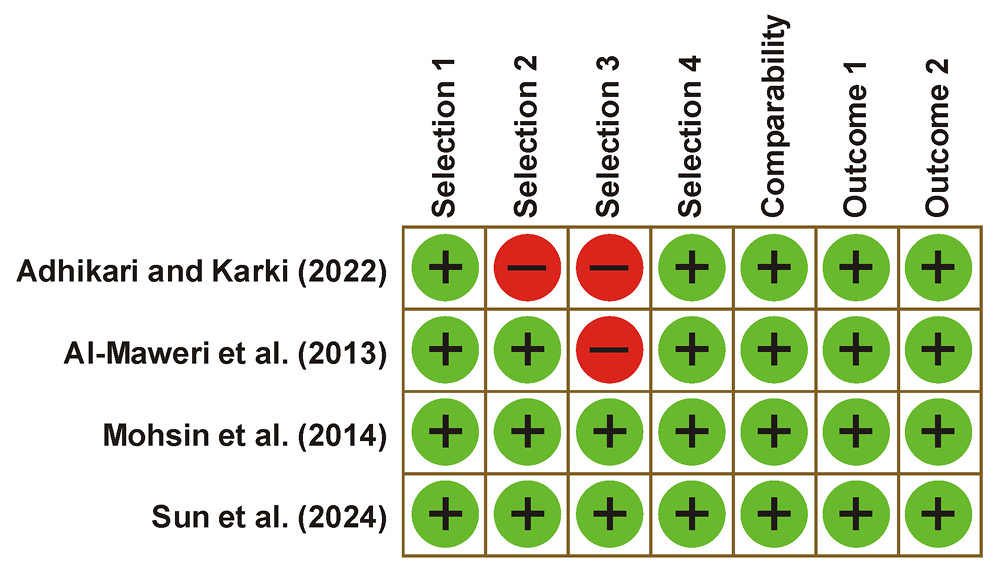
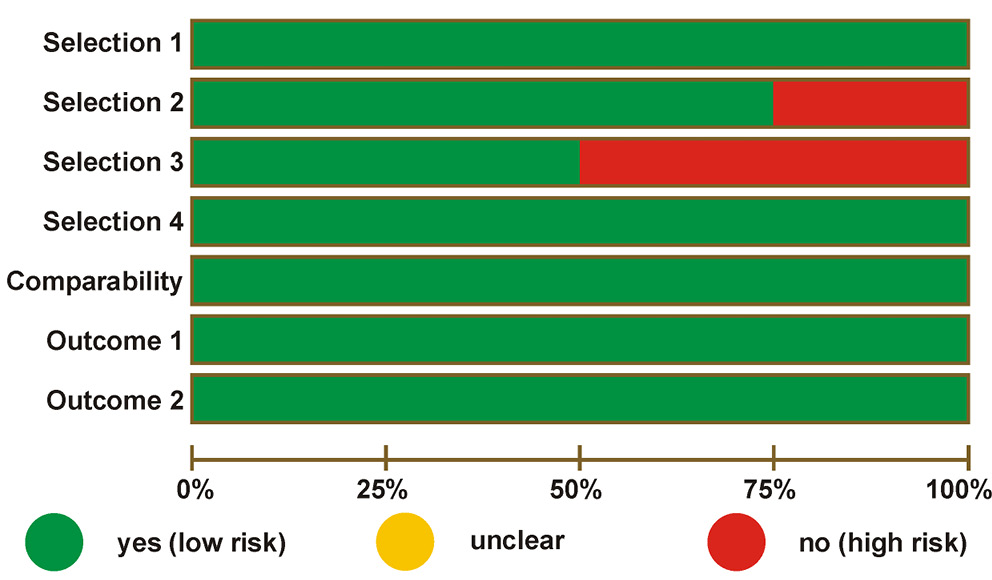
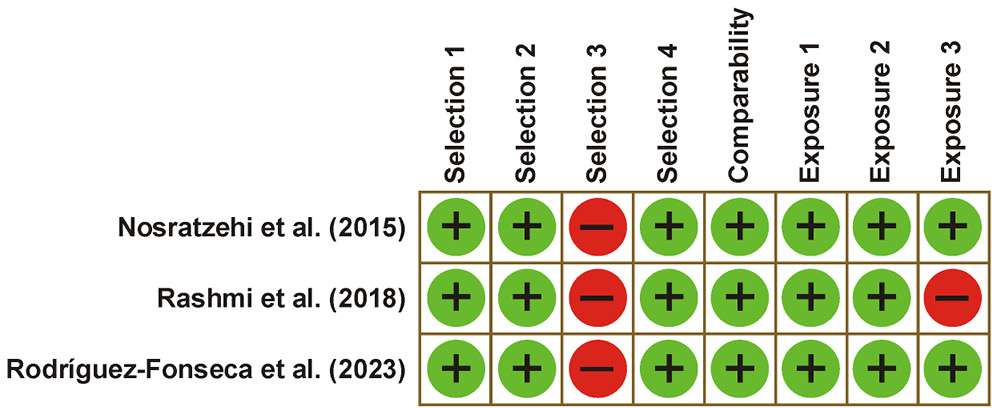
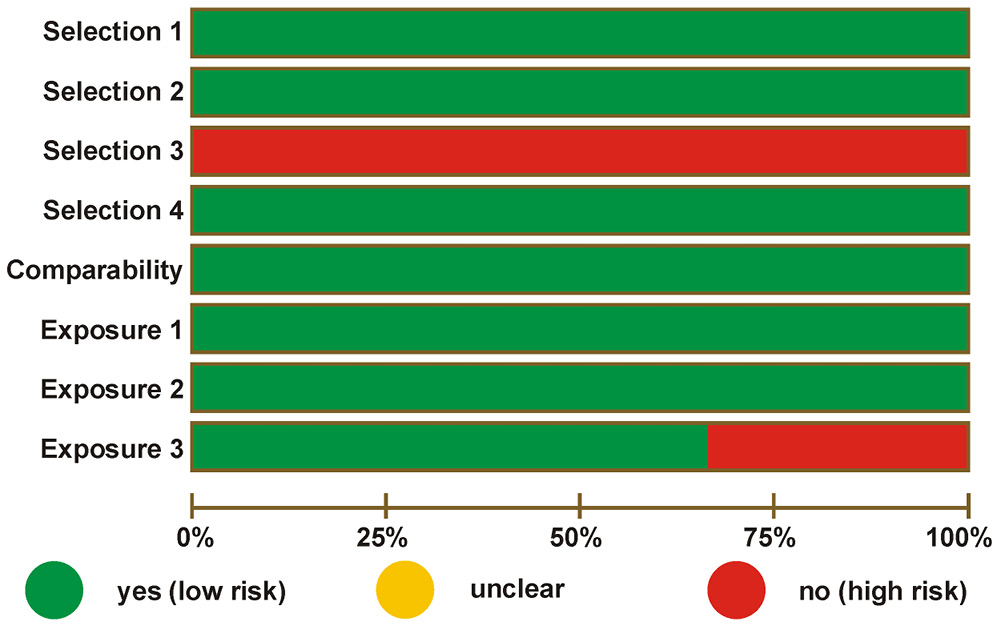
Figure 2 and Figure 3 illustrate the risk-of-bias assessment for the included studies. Figure 2 presents a tabular summary, showing the evaluation of 7 domains across 4 cross-sectional studies. Green circles indicate a low risk of bias, while red circles denote a high risk of bias. Notably, Adhikari and Karki1 exhibit a high risk of bias in the Selection 2 and 3 domains, whereas Al-Maweri et al.3 demonstrate a high risk of bias only in the Selection 3 domain. Figure 3 provides a graphical representation, indicating that most studies have a low risk of bias. However, the Selection 2 and Selection 3 domains demonstrate some concerns, with Selection 3 having the highest proportion of high-risk assessments. These figures highlight potential methodological inconsistencies across studies. Figure 4 presents a tabular summary of the risk-of-bias assessment for 3 case–control studies across 7 domains. Nosratzehi et al.18 show a high risk of bias only in the Selection 3 domain, whereas the study by Rashmi et al.8 demonstrates a high risk of bias in the Selection 3 and Exposure 3 domains. Rodríguez-Fonseca et al. exhibit a low risk of bias across most domains, with little concern in Selection 3.22 Figure 5 represents these findings graphically, illustrating that most studies have a low risk of bias, but the Selection 3 and Exposure 3 domains show some concerns.
Discussion
This systematic review examined the complex relationship between DM, a chronic metabolic disorder with systemic inflammatory consequences, and OLP, a potentially premalignant inflammatory oral condition. By synthesizing evidence from cross-sectional and case–control studies, this review evaluated the prevalence of OLP in individuals with DM, its clinical implications, the risk of prediabetes and DM in OLP patients, and the potential role of OLP as a marker of systemic health. The findings highlight the need for individualized patient management and standardized diagnostic and therapeutic approaches. Several studies have reported an association between OLP and DM, with some indicating a higher prevalence of OLP among patients with DM. A systematic review and meta-analysis by Mallah et al.17 confirmed this link, highlighting the inflammatory nature of both conditions and suggesting that chronic hyperglycemia-induced oxidative stress, immune dysregulation and microvascular changes may contribute to the development of OLP in diabetic individuals. Similarly, Varma et al. emphasized that insulin resistance and metabolic disturbances in DM could predispose patients to inflammatory oral conditions, including OLP.23
Endocrine disorders, particularly thyroid disorders, have been linked to the pathogenesis of OLP. Arduino et al. identified early thyroid dysfunction in newly diagnosed patients with OLP, suggesting a complex interplay between endocrine and immune mechanisms.24 These findings emphasize the importance of comprehensive systemic evaluation, especially in patients with OLP and coexisting metabolic or hormonal abnormalities. The systemic nature of OLP extends beyond its oral manifestations, warranting an interdisciplinary approach to patient care. Hasan et al. underscored the comorbidities associated with OLP, including cardiovascular diseases, metabolic syndrome and hypertension.10 This aligns with the findings of Grabowska-Szelag et al., who described cases of Grinspan’s
syndrome, a triad of OLP, DM and hypertension, suggesting that OLP may coexist with a broader spectrum of systemic disorders.19 Similarly, Dammak et al. reported a higher prevalence of OLP in patients with DM, supporting the hypothesis that metabolic dysfunction contributes to the development of OLP.13
Epidemiological studies suggest that patients with OLP show an increased risk of developing prediabetes or DM. Părlătescu et al. observed borderline glycemic levels
(100–125 mg/dL) in many patients with OLP, highlighting the importance of early metabolic screening.25 A systematic review and meta-analysis by Mallah et al. further reinforced this association, demonstrating a significant relationship between the prevalence of DM and OLP.17 Additionally, González-Serrano et al. compared the prevalence of oral mucosal diseases in diabetic and non-diabetic populations, confirming a higher occurrence of OLP in diabetic individuals, independent of other risk factors.26 Other studies, such as those by Atefi et al.4 and Mohsin et al.,20 further reinforce this association, suggesting that DM may not only increase the risk of OLP but also influence its severity and progression. Inflammatory markers have also been studied in the context of OLP and DM. Gadiock et al. evaluated systemic inflammation in patients with OLP using neutrophil CD64 expression, revealing elevated inflammatory responses.27 Drummond et al. further explored the role of insulin-induced hypoglycemia in triggering inflammatory markers, suggesting a bidirectional relationship between metabolic disturbances and inflammatory conditions such as OLP.28 Additionally, studies by Rohani et al. and Rodríguez-Fonseca et al. suggest that patients with OLP may benefit from screening for metabolic disorders, given the potential for undiagnosed DM.12, 22 Diagnostic accuracy is crucial in OLP, particularly due to its potential premalignant nature. Cheng et al. emphasized the importance of standardized histopathological and clinical criteria to ensure precise diagnosis and effective management.29 Given the association between OLP and metabolic disorders, appropriate clinical and metabolic monitoring may therefore be warranted. Moreover, Yuwanati et al. highlighted the significant impact of OLP on oral health-related quality of life, stressing the psychosocial burden faced by affected individuals, especially those with systemic comorbidities such as DM.30
The findings of this review highlight the clinical value of metabolic screening in patients with OLP. Given the bidirectional relationship between OLP and DM, healthcare professionals should remain aware of the possibility of coexisting metabolic abnormalities in patients with OLP. Routine fasting plasma glucose assessment may aid in the early diagnosis of DM, enabling timely intervention. Furthermore, effective management of OLP in patients with DM may require a multidisciplinary approach involving oral medicine specialists, dermatologists and endocrinologists. Overall, this systematic review highlights the intricate relationship between OLP and DM and reinforces the importance of comprehensive patient assessment. The available evidence suggests that OLP may be associated with metabolic disturbances, supporting metabolic screening and interdisciplinary management. Future research should focus on elucidating the precise pathophysiological mechanisms linking these conditions in order to refine diagnostic and therapeutic strategies.
Strengths and limitations
The present systematic review provides useful insights into the relationship between OLP and DM, focusing particularly on the possible pathophysiological connection and highlighting the need for a multidisciplinary approach to the issue. One of the significant advantages of the study under consideration is the inclusion of a large number of populations and study designs in the literature review. In addition, the review emphasizes the necessity of taking metabolic disorders into account when diagnosing and treating OLP. However, there are several limitations that should be pointed out. Variations in diagnostic criteria used to diagnose both conditions may have affected the prevalence rates. Variations in the clinical and histopathological definitions of OLP and inconsistencies in the assessment of glycemic status make it difficult to establish a direct causal relationship. The majority of the included studies were cross-sectional, preventing determination of whether DM precedes OLP or vice versa. Additionally, heterogeneity in sample sizes and geographic distribution limits the generalizability of the findings. Despite these limitations, this review synthesizes the available evidence and emphasizes the need for future longitudinal studies with standardized diagnostic criteria to better understand the relationship between OLP and DM and its clinical implications.
Conclusions
Within the limitations of this study, the available evidence suggests that OLP may be more prevalent among individuals with DM, emphasizing the need for a comprehensive approach to evaluation of oral and systemic health. Although previous studies have shed light on several issues, the interaction between OLP and DM is still not fully understood. Further research is needed to understand the mechanisms involved and their causal relationship, as well as to determine the effect of DM control on OLP. Such studies may inform the development of integrated healthcare strategies and reinforce the importance of interdisciplinary collaboration in the management of patients with these coexisting conditions.
Ethics approval and consent to participate
Not applicable.
Data availability
The datasets generated and/or analyzed during the current study are available from the corresponding author on reasonable request.
Consent for publication
Not applicable.
Use of AI and AI-assisted technologies
During the preparation of the manuscript, the authors used DeepL Translate (DeepL SE, Cologne, Germany) for language editing and grammar correction.