Abstract
The oral side effects of selective serotonin reuptake inhibitors (SSRIs) include xerostomia, gingival bleeding, burning mouth syndrome, bruxism, and temporomandibular disorders (TMD), impacting the quality of life (QoL). These stomatognathic diseases are often overlooked in clinical practice. This comment advocates interprofessional relations among physicians, pharmacists and dentists to improve the recognition, prevention and management of SSRI-related oral side effects.
Keywords: interprofessional relations, selective serotonin reuptake inhibitors, stomatognathic diseases
Call for interprofessional collaboration
In a recent editorial in The Lancet,1 the 50-year history of selective serotonin reuptake inhibitors (SSRIs) is celebrated by highlighting their important benefits in the treatment of depression and related psychiatric conditions. At the same time, the editorial outlines the sometimes serious harms associated with SSRI use, notably suicidality. This is especially concerning in light of the acknowledged overprescription of SSRIs, including in cases where guided self-help should be the first-line treatment. The Lancet argues that continued attention from the scientific and medical communities is needed to achieve a level of personalized care that represents the best value for patients.1 From the perspectives of pharmacy, psychiatry and dentistry, we agree with The Lancet’s argument while also emphasizing the need for a more holistic understanding of the potential adverse effects of SSRIs – particularly those affecting the orofacial region.
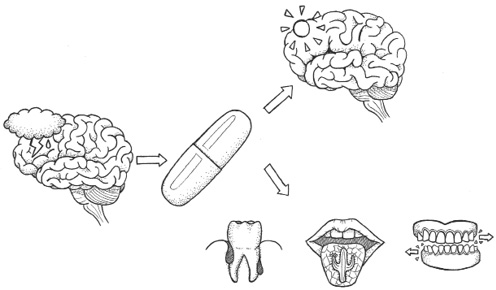
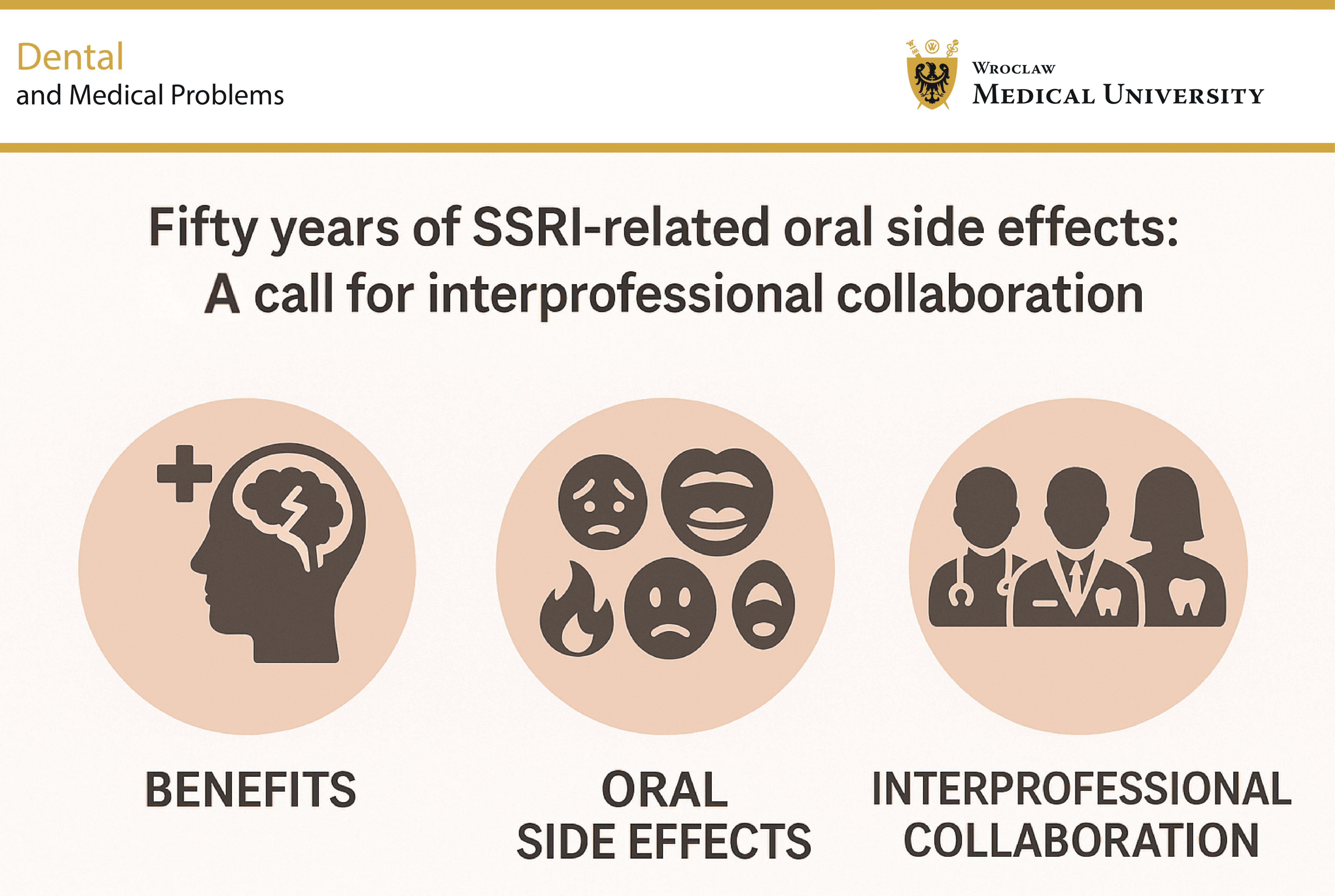
A PubMed search conducted on December 19, 2025, using the query “Selective Serotonin Reuptake Inhibitors/adverse effects”[MeSH] AND “Stomatognathic Diseases”[MeSH] identified 87 studies. These publications describe a broad spectrum of SSRI-associated oral adverse effects, including xerostomia (dry mouth), abnormal bleeding, burning mouth syndrome, mucosal ulcerations and swellings, as well as oral movement disorders such as bruxism (teeth grinding and clenching), excessive yawning, oral dyskinesias, and temporomandibular disorders (TMD).2, 3 The underlying mechanisms are thought to involve, among other factors, altered serotonergic modulation of salivary gland function and the complex interaction between serotonin and dopamine in the regulation of oromotor pathways.2, 3 These adverse effects can substantially impair patients’ quality of life (QoL).4 However, they remain underrecognized by many clinicians who prescribe SSRIs. This lack of awareness may, in part, reflect the traditional separation of medicine, pharmacy and dentistry as distinct disciplines.5 Strengthening interprofessional collaboration among physicians, pharmacists and dentists in research, education and clinical practice is therefore essential to improve the prevention, early recognition and management of SSRI-related oral adverse effects (Figure 1).
Ethics approval and consent to participate
Not applicable.
Data availability
Not applicable.
Consent for publication
Not applicable.
Use of AI and AI-assisted technologies
Not applicable.