Dental and Medical Problems

Dent Med Probl
Journal Impact Factor (JIF 2024) – 3.9
Journal Citation Indicator (JCI 2024) - 1.36
Scopus CiteScore (2024) – 5.0 (CiteScore Tracker – 5.8)
Index Copernicus Value (ICV 2024) – 178.25
MNiSW – 70 pts
ISSN 1644-387X (print)
ISSN 2300-9020 (online)
Periodicity – bimonthly


Download original text (EN)

Dental and Medical Problems

2026, vol. 63, nr 1, January-February, p. 233–248

doi: 10.17219/dmp/187214

Publication type: review

Language: English

License: Creative Commons Attribution 3.0 Unported (CC BY 3.0)

Download citation:

  • BIBTEX (JabRef, Mendeley)
  • RIS (Papers, Reference Manager, RefWorks, Zotero)

Cite as:


Minervini G, Rajkumar C, Veeraraghavan VP, et al. Role of curcumin and its nanoformulations in the management of oral squamous cell carcinoma: A systematic review. Dent Med Probl. 2026;63(1):233–248. doi:10.17219/dmp/187214

Role of curcumin and its nanoformulations in the management of oral squamous cell carcinoma: A systematic review

Giuseppe Minervini1,2,A,B,C, Chandini Rajkumar3,A,B,C, Vishnu Priya Veeraraghavan4,A,B,C, Saranya Ramsridhar5,A,B,C, Arul Prakash Francis4,D,E,F, Saranya Varadarajan3,C,D,E, Salvatore Crimi6,D,E,F, Marco Cicciù6,D,E,F

1 Multidisciplinary Department of Medical-Surgical and Odontostomatological Specialties, University of Campania “Luigi Vanvitelli”, Naples, Italy

2 Saveetha Dental College and Hospitals, Saveetha Institute of Medical and Technical Sciences (SIMATS Deemed University), Chennai, India

3 Department of Oral Pathology and Microbiology, Saveetha Dental College and Hospitals, Saveetha Institute of Medical and Technical Sciences (SIMATS Deemed University), Chennai, India

4 Centre of Molecular Medicine and Diagnostics (COMManD), Department of Biochemistry, Saveetha Dental College and Hospitals, Saveetha Institute of Medical and Technical Sciences (SIMATS Deemed University), Chennai, India

5 Department of Oral Pathology and Microbiology, Sathyabama Dental College and Hospital, Chennai, India

6 Department of Biomedical and Surgical and Biomedical Sciences, Catania University, Italy

Graphical abstract


Graphical abstracts

Highlights


• Curcumin exhibits significant anticancer activity in oral squamous cell carcinoma (OSCC) by inhibiting cell proliferation, inducing apoptosis via intrinsic pathways, and causing G2/M phase cell cycle arrest.
• Nanoformulation-based delivery systems enhance the bioavailability, stability and intracellular uptake of curcumin, improving its therapeutic potential in oral cancer (OC) treatment.
• The combination therapies involving curcumin nanoformulations can increase intracellular drug concentration and produce synergistic anti-cancer effects.
• Clinical and experimental studies suggest that curcumin may reduce tumor size and exert anti-inflammatory and cytotoxic effects in OC.
• Further research is required to clarify the bio-interactions between curcumin nanoparticles and cellular structures, and to optimize advanced delivery systems, such as liposomes and polymeric nanoparticles.

Abstract

Indian spice curcumin, which has anti-tumor, anti-inflammatory and antioxidant effects, has showed its potential as an innovative adjunct for the treatment of oral squamous cell cancer (OSCC), as well as an intriguing chemopreventive drug. The goal of this review was to consolidate the salient characteristics of curcumin and its cutting-edge nanoformulations, and to further outline the role of curcumin in the management of OSCC.

The PubMed, Scopus and Cochrane databases were used to search for evidence-based research papers on curcumin.

The current systematic review included 35 publications. There were 5 clinical studies and 30 cell line studies. The included studies employed a wide range of OSCC cell lines, with CAL-27 in 6 studies, KB in 4 studies, FaDu in 3 studies, and SCC-9 in 3 studies, being the most common. Each of the entailed study found that when cell lines were treated with curcumin, there was an overall decrease in the proliferation of cells and cell growth when measured by the MTT assay, the luciferase assay and immunofluorescence. In clinical studies, APG-157 could inhibit tumor cell death by lowering the concentrations of NF-κB-driven cytokines that induce inflammation. The WCRF International/UoB framework-recommended quality assessment of cell line studies regarded 6 studies as high-quality and 3 studies were deemed of moderate quality.

The novel formulations of curcumin have been explored for its usefulness in the management of oral cancer, with promising results.

Keywords: apoptosis, nanoformulations, curcumin, oral squamous cell carcinoma, demethoxycurcumin

Introduction

Indian spice curcumin, which has anti-tumor, anti-inflammatory and antioxidant effects, has showed its potential as an innovative adjunct for the treatment of oral squamous cell cancer (OSCC), as well as an intriguing chemopreventive drug.1 Curcumin has demonstrated its effectiveness against a variety of chronic conditions, including tumors, neurological illnesses, hepatic impairment, obesity-related disorders, and arthritic conditions. As stand-alone treatment or in conjunction with different therapies, curcumin is exceptionally effective in the management of cancer. Additionally, this organic substance has the ability to modulate a number of cellular receptors and signaling pathways connected with multiple cancers.2

Advanced-stage OSCC cells develop into tumors that are highly resistant to chemotherapeutic agents due to their ability to alter key biological processes. These adaptations can lead to therapeutic failure, including ineffective drug delivery to target sites, metabolic reprogramming, altered redox balance, and impaired DNA damage repair mechanisms. Over the past several decades, extensive research has focused on developing innovative strategies to treat cancer cells that are resistant to multiple therapies by blocking resistance pathways and employing modern anti-cancer agents. Curcumin, a naturally occurring compound, has attracted considerable attention, since structural modifications have enabled the manufacturing of analogs and derivatives with enhanced anti-cancer activity and relatively low adverse effects, contributing to the development of novel anti-tumor therapeutics.3

Curcumin exhibits a multifaceted anti-cancer mechanism of action by modulating numerous molecular pathways.4 It inhibits several components involved in cellular proliferation, including mitogen-activated protein kinases (MAPKs), c-Jun N-terminal kinases (JNKs) and cyclin-dependent kinases (CDKs), which are frequently overexpressed in tumor cells. Curcumin also reduces the expression of growth factor receptors, such as insulin-like growth factor (IGF), fibroblast growth factor (FGF) and epidermal growth factor (EGF). In addition, curcumin promotes apoptosis by upregulating the pro-apoptotic protein p53 while suppressing anti-apoptotic signaling molecules, including nuclear factor kappa-light-chain-enhancer of activated B cells (NF-κB), B-cell lymphoma 2 (Bcl-2), signal transducer and activator of transcription 3 (STAT3), and survivin. Its anti-angiogenic effects are attributed to its ability to inhibit the expression of pro-angiogenic factors, particularly hypoxia-inducible factor 1 (HIF-1), vascular endothelial growth factor (VEGF), and angiopoietin 1 (Ang-1). Curcumin also modulates the enzymes and proteins involved in tumor invasion and metastasis, such as transforming growth factor beta (TGF-β), matrix metalloproteinases (MMPs), cell adhesion molecules (CAMs), tissue plasminogen activator (tPA), and lysyl oxidase (LOX). Furthermore, curcumin can regulate the expression of microRNAs associated with tumor initiation, growth and progression. It exerts anti-inflammatory effects by decreasing the production of pro-inflammatory cytokines, including interleukin 1 (IL-1), IL-6 and tumor necrosis factor alpha (TNF-α), while increasing the anti-inflammatory cytokine IL-10, thereby helping to counteract the inflammation associated with certain malignancies. Finally, curcumin enhances immune-mediated tumor cell destruction by promoting the activity of natural killer (NK) cells and cytotoxic T lymphocytes (CTLs).5, 6, 7, 8, 9, 10, 11, 12

In addition to its biophysical and photochemical properties, the chemical structure of curcumin also contributes significantly to its therapeutic potential. In particular, the aromatic ortho-methoxyphenol groups and the α,β-diketo moiety play important roles in mediating its biological activities and associated health benefits. Two naturally occurring curcumin analogs, demethoxycurcumin and bisdemethoxycurcumin, have been widely investigated for their pharmacological properties.

Despite its promising biological effects, curcumin has several limitations, including poor bioavailability, low stability, and limited aqueous solubility, which restrict its broader clinical application. Consequently, numerous structural analogs and derivative compounds have been developed over time to overcome these drawbacks and enhance its therapeutic efficacy.13, 14

Nanotechnology-based approaches provide strategies to prolong drug dissolution, enable targeted drug delivery and enhance transport across biological barriers. By carefully modifying the chemical composition, size and structural characteristics that regulate nanoparticle activity, a wide range of nanoformulations has been developed using organic, inorganic, lipid, and polypeptide-based materials, typically within the size range of 1–100 nm. These nanomaterials have been widely utilized as carriers for various anti-cancer drugs.15, 16, 17, 18, 19, 20, 21

The goal of this review was to consolidate the salient characteristics of curcumin and its cutting-edge nanoformulations, and to further outline the role of curcumin in the management of OSCC.

Material and methods

Study protocol

This systematic review was performed in accordance with the Preferred Reporting Items for Systematic Reviews and Meta-Analyses (PRISMA) guidelines for study selection, synthesis and reporting of results.22 The study protocol was registered in the International Prospective Register of Systematic Reviews (PROSPERO) under the registration number CRD42023483768.

Focused question

The focus of this literature review was to investigate the inhibitory effects of curcumin and its nanoformulations on cellular proliferation in OSCC at the molecular level. The review examined studies that explore the molecular mechanisms underlying the anti-cancer activity of curcumin and its nanoformulations. In addition, it analyzes the outcomes of in vitro and in vivo studies that have evaluated the effects of curcumin and its nanoformulations on the proliferation of OSCC cells.

Information sources and search strategy

The PubMed, Scopus and Cochrane Library databases were used to identify evidence-based research articles investigating the cytotoxic effects of curcumin and its nanoformulations on OSCC, published between January 2012 and August 2023. Following an initial study of the available literature, the following Medical Subject Headings (MeSH) phrase combination was used: (“Curcumin” OR “Curcuminoids” OR “Nanocurcumin” OR “Curcumin Analog” OR “Curcumin Microemulsions” OR “Desmethoxycurcumin” OR “Bisdemethoxycurcumin” OR “Curcumin Nanomicelles”) AND (“Cisplatin-Resistant Human Oral Cancer Cells” OR “Cell Culture” OR “Cell Lines”) AND (“Oral Squamous Cell Carcinoma” OR “Head and Neck Squamous Cell Carcinoma” OR “Oropharyngeal Carcinoma”) AND (“MTA” OR “Flow Cytometry” OR “Annexin Assay” OR “Western Blot” OR “RT-PCR”) AND (“Apoptosis” OR “Cytotoxicity” OR “Interleukin” OR “Signaling Pathway” OR “Photodynamic” OR “Epithelial–Mesenchymal Transition”). A manual check of the references for each of the included publications was executed to find studies that were not found in the online databases. The search was done by two reviewers independently, and screening was completed using the pre-established parameters.

Eligibility criteria

The eligibility criteria utilized in the present systematic review were established based on the PICOS criteria (Population, Intervention, Comparison, Outcome, and Study Design).

Population: Patients with OSCC aged 18 years and above.

Intervention: Free curcumin, curcuminoids or its nanoformulations.

Comparison: Placebo control group, or the administration of other synthetic chemotherapeutic drugs or radiotherapy.

Outcome: In vitro cellular proliferation, cytotoxicity or in vivo tumor dimensions, or tumor incidence, apoptosis, cell cycle arrest, and/or the evaluation of protein expression.

Study design: In vitro or clinical studies to evaluate the cytotoxicity effects of curcumin and its nanoformulations on OSCC.

Systematic reviews, questionnaire-based surveys, commentaries, case reports or case series, pilot studies, animal studies, and expert opinions were excluded. Articles not published in English or those that did not focus on the anti-tumor effects of curcuminoids or their nanoformulations were also excluded. The literature search, data extraction from the included studies, and quality assessment were independently performed by two expert reviewers. Any disagreement was resolved through discussion, and when necessary, a third reviewer was consulted to reach a consensus.

Study selection

The titles and abstracts of all the identified studies were independently screened by two reviewers. Publications that did not meet the eligibility criteria were excluded. The full texts of the selected articles were then independently evaluated by the same reviewers according to the predefined eligibility criteria. In addition, the reference lists of the included studies were manually searched to identify any further relevant publications. Any disagreement between the reviewers was resolved through discussion. If consensus could not be reached, a third reviewer was consulted to make the final decision. The final selection of studies was determined through agreement among all three reviewers.

Data extraction

The following information was extracted using a standardized data collection template: first author’s name; study title; journal name; year of publication; country where the study was conducted; study design; assays and cell lines used; source of the cell lines; sample size and baseline characteristics; drug dosage; and key study findings. To minimize errors, data extraction was performed independently by two reviewers. When additional information was required, the corresponding author was contacted for clarification.

Quality assessment

The quality assessment of the included clinical studies was conducted using the Cochrane Collaboration Risk of Bias tool (RoB),23 which categorizes the risk of bias as high, low, or unclear. The tool evaluates 7 domains: sequence generation; allocation concealment; blinding of participants and personnel; blinding of outcome assessment; incomplete outcome data; selective reporting; and other potential sources of bias. A low risk of bias was assigned when all criteria were fulfilled. A moderate risk of bias was designated when one domain was not adequately met. A high risk of bias was assigned when more than one domain was not satisfied.

The quality of the cell culture studies was evaluated using the World Cancer Research Fund International/University of Bristol (WCRF/UoB) framework,24 which provides a scoring range from 0 to 6. A score of 0 was assigned to parameters that were not met or not reported. Studies were classified as low quality if they scored 0–2, moderate quality for scores of 3–4, and high quality for scores of 5–6. These scores reflected the overall study quality and were used to assess the degree of risk of bias for each cell culture study.

Results

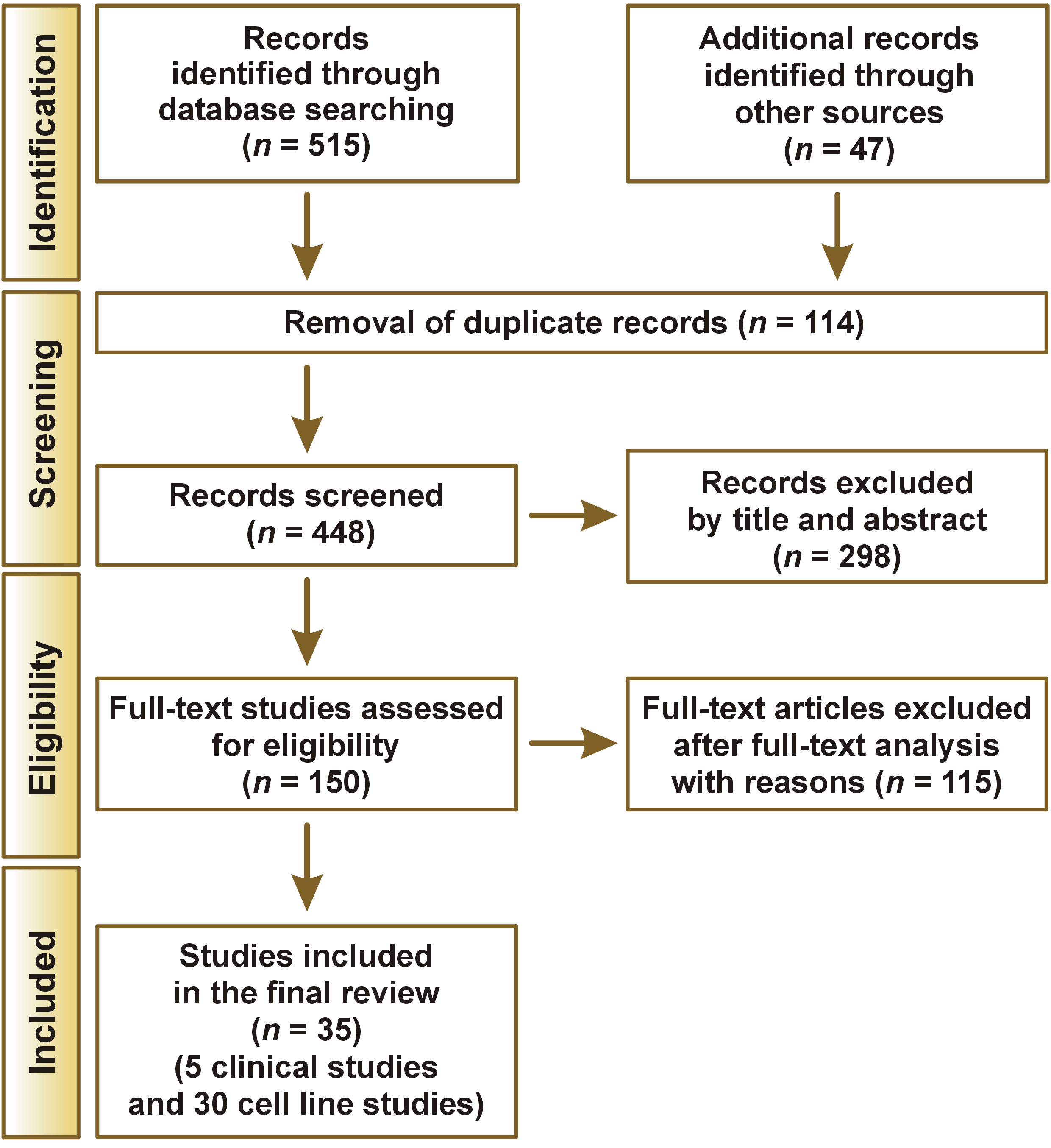
Figure 1 illustrates the stepwise procedure for study selection. A total of 515 studies meeting the inclusion criteria were initially identified from the aforementioned databases, and an additional 47 articles were retrieved through manual search. After removing 114 duplicate records, 448 publications remained for title and abstract screening, resulting in the exclusion of 298 articles. Consequently, 150 full-text articles were assessed for eligibility. During full-text review, 115 studies were excluded due to deviations from the predefined criteria. Ultimately, 35 publications were included in the present systematic review, as depicted in the PRISMA flow chart.25, 26, 27, 28, 29, 30, 31, 32, 33, 34, 35, 36, 37, 38, 39, 40, 41, 42, 43, 44, 45, 46, 47, 48, 49, 50, 51, 52, 53, 54, 55, 56, 57, 58, 59

Five clinical studies28, 29, 41, 51, 52 and 30 cell line investigations25, 26, 27, 30, 31, 32, 33, 34, 35, 36, 37, 38, 39, 40, 42, 43, 44, 45, 46, 47, 48, 49, 50, 53, 54, 55, 56, 57, 58, 59 were selected (Table 1, Table 2). Two of the 5 clinical trials were double-blind, randomized, placebo-controlled trials,29, 52 and one was single blinded.28 The included studies employed a wide range of OSCC cell lines, with CAL-27 in 6 studies,31, 33, 42, 43, 46, 55 KB in 4 studies,36, 39, 45, 49 FaDu in 3 studies,33, 42, 55 and SCC-9 in 3 studies35, 47, 56 being the most common (Table 2).

General characteristics

The selected studies were carried out in several countries, including India,28, 34, 39, 48, 49, 53, 54, 59 China,42, 43, 45, 46, 55, 56, 57, 58 the USA,29, 35, 41, 52, 55 South Korea,25, 36, 37 Taiwan,31, 40, 44 Brazil,33, 47 Germany,38, 51 Saudi Arabia,26 Italy,27 Spain,30 Egypt,32 and Japan.50 All of the studies were published in English between 2012 and 2023. The MTT (3-(4,5-dimethylthiazol-2-yl)-2,5-diphenyltetrazolium bromide) assay, the Annexin assay for determining apoptosis, flow cytometry, the proliferation assay, Western blot, Northern blot, reactive oxygen species (ROS), real-time reverse transcriptase polymerase chain reaction (RT-PCR), the enzyme-linked immunosorbent assay (ELISA), and immune histochemistry (IHC) were employed in various studies. The curcumin doses utilized in the reviewed studies varied from 0 to 100 μm. Each of the entailed study found that when cell lines were treated with curcumin, there was an overall decrease in the proliferation of cells and cell growth when measured by the MTT assay, the luciferase assay and immunofluorescence. All of the in vitro studies had been conducted on human OSCC cell lines.

Role of curcumin in OSCC management

Curcumin has been shown to inhibit regulatory T cell (Treg) migration and induce S-phase cell cycle arrest. It has also been reported to reverse epithelial-mesenchymal transition (EMT), a process associated with tumor invasion and metastasis. Mishra et al. demonstrated that curcumin reduced cell viability and induced morphological changes in human papillomavirus (HPV)-positive oral cancer (OC) cell lines.48 Northern blot analysis indicated that curcumin suppressed the E6-oncogene-mediated degradation of p53 in these HPV-positive cancer cells. At a concentration of 100 μM, curcumin inhibited the expression of E6, NF-κB and activator protein 1 (AP-1) in HPV-positive cell lines.48 Additionally, Xiao et al. reported that curcumin enhanced the expression of miR-9, which reduces the proliferation of SCC-9 cells and suppresses the Wnt/β-catenin signaling pathway.56

Zhen et al. conducted an in vitro study showing that curcumin reduced the proliferation of SCC-25 cells and induced G2/M phase cell cycle arrest in a dose-dependent manner.57 The study also demonstrated that curcumin suppressed the expression of MMP-2 and MMP-9, as well as urokinase-type plasminogen activator (uPA) and its receptor (uPAR). Curcumin was found to modulate phosphorylated epidermal growth factor receptor (p-EGFR) and downstream signaling mediators, including protein kinase B (Akt), extracellular signal-regulated kinases 1 and 2 (ERK1/2) and STAT3. Additionally, curcumin inhibited EGF-induced EGFR phosphorylation and reduced EGF-stimulated SCC-25 cell invasion.57

Both Almalki et al.26 and Zhen et al.57 reported G2/M phase arrest in curcuminoid-treated cells after 6 h of treatment and demonstrated the ability of curcumin to induce DNA damage in these cells. According to Lu et al., curcumin exhibited improved solubility and stability when encapsulated in folate-linked liposomes.45 Chang et al. showed that curcumin-loaded nanoparticles induced apoptosis and significantly inhibited proliferation in OSCC cell lines while demonstrating lower cytotoxicity in normal cells, highlighting the specificity of nano-based drug delivery.31 Conversely, Mazzarino et al. observed that free curcumin (IC50 (half-maximal inhibitory concentration) = 93.4 µM) was more cytotoxic than curcumin nanoformulations (IC50 = 271.5 µM) after 24 h of treatment.47

Role of nanocurcumins in OSCC management

Several innovative strategies have been developed to design curcumin-based nanomaterials as targeted drug-delivery systems. Polymer nanoparticles are particularly effective due to their excellent biocompatibility and prolonged circulation in the bloodstream. Srivastava et al. reported that curcumin nanoparticles exhibited chemoprotective effects in OC cells, mitigating the adverse reactions typically induced by 5-fluorouracil.59 Nanocurcumin also demonstrated antioxidant properties and modulated the expression of apoptotic proteins, including Bcl-2 and Bcl-2-associated X protein (Bax), in the treated cells.59

Another study investigated the anti-tumor efficacy of gefitinib and curcumin-loaded nanoparticles in human OC SAS cells in vitro and in SAS xenograft tumors in vivo.40 The results showed that γ-polyglutamic acid (γ-PGA)-coated gefitinib/curcumin nanoparticles were effectively internalized by SAS cells, significantly reducing viable cell counts. Both free Gefitinib/curcumin and γ-PGA-gefitinib/nanocurcumin induced apoptotic cell death via caspase-3, caspase-9 and mitochondria-mediated pathways. In vivo experiments further demonstrated that γ-PGA-gefitinib/nanocurcumin significantly inhibited tumor growth as compared to the untreated or free gefitinib/curcumin-treated groups.40

Essawy et al. investigated the effects of curcumin nanoparticles on OC cells, using a simple and cost-effective solvent–antisolvent precipitation method.32 Unlike doxorubicin, which primarily induced necrosis in these cell lines, curcumin nanoparticles triggered cytotoxicity predominantly through apoptosis. The study also highlighted the intrinsic luminescence of curcumin nanoparticles, suggesting their potential as dual-function theranostic agents.32

Another study reported that the combined treatment with 200-nm nanocurcumin and cetuximab enhanced cytotoxicity as compared to cetuximab monotherapy, indicating the potential chemo-adjuvant role of curcumin nanomaterials in OC therapy.49

De Souza Ferreira et al. developed nanostructured gel formulations, incorporating curcumin for OC treatment.33 These formulations facilitated the rapid absorption and localization of curcumin in the hydrophobic core of nano-sized polymeric micelles, resulting in prolonged retention in the oral cavity.39 Cytotoxicity assays revealed that these nanoformulations selectively targeted tumor cells while sparing normal cells.33 Such strategies improve the physicochemical properties of curcumin by enhancing its solubility and tissue penetration, thereby augmenting its anti-cancer activity. Given these promising findings, further preclinical and clinical studies are warranted to evaluate the therapeutic potential of novel curcumin formulations.

Lin et al. conducted a study to evaluate the effects of curcumin microemulsions on OC cell lines.44 The results demonstrated that short-term treatment with curcumin in microemulsion form exerted significant cytotoxic effects on cancer cells. In SCC-25 cells, these effects were further enhanced when ultrasound was applied. This enhancement was likely due to the improved cellular delivery of curcumin, facilitated by the interaction of microemulsion particles with cell membranes or by overcoming transport barriers through ultrasound-induced membrane permeabilization and localized heating.44 When combined with ultrasound, these biodegradable microemulsions may provide controlled drug release and improved tissue-targeting capabilities. Additionally, curcumin nanoparticles have been shown to possess significantly higher bioavailability and improved aqueous solubility as compared to conventional curcumin, which may enhance their therapeutic potential.

Chang et al. demonstrated that water-soluble poly(lactic-co-glycolic acid) (PLGA)-based nanocurcumin enhanced therapeutic efficacy in CAL-27 cisplatin-resistant (CAR) OC cells.31 The nanocurcumin formulation promoted the generation of ROS and increased the expression of apoptosis-related molecules, including cleaved caspase-3/caspase-9, apoptotic protease activating factor 1 (Apaf-1), cytochrome c, and Bax, while reducing the expression of the anti-apoptotic protein Bcl-2. These effects collectively activated the intrinsic apoptotic pathway in CAR cells.31 Additionally, nanocurcumin modulates the structure and activity of multidrug-resistance proteins while enhancing ROS production, thereby contributing to increased cancer cell susceptibility to treatment.53 Organically modified silica nanomaterials used as carriers for curcumin delivery in OC cells demonstrated improved cellular uptake of curcumin and enhanced phototoxic effects in cancer cells, highlighting the potential of silica-based nanocarriers to improve the anti-cancer activity of curcumin.25, 53

Mazzarino et al. evaluated the therapeutic potential of mucoadhesive polycaprolactone curcumin nanostructures coated with chitosan for the treatment of OC.47 Ghosh et al. developed a multifunctional nanoconjugate by integrating the surface of gold nanorods (GNRs) with a cytotoxic nucleoside, 5-fluoro-2’-deoxyuridine (FdU), incorporated into a DNA hairpin structure along with a hydrophobic curcumin complex.34 The study demonstrated that curcumin could be successfully incorporated into small DNA hairpins to improve drug delivery efficiency. When combined with FdU nucleotides, this system significantly enhanced cytotoxicity in SCC-131 cells, suggesting its potential application as a therapeutic strategy for advanced-stage cancers.34

Clinical trials on curcumin in OSCC

The present review reported elevated levels of cytokines in the salivary supernatant of cancer patients, with reduced concentrations observed following treatment with APG-157, particularly for the pro-inflammatory cytokines IL-1 and IL-8. These findings suggest that APG-157 may suppress tumor-associated inflammation by reducing levels of NF-κB–regulated cytokines that contribute to inflammatory responses.29

Reiter et al. also demonstrated significant DNA damage caused by smoke condensate, primarily as a result of oxidative stress.51 In this context, curcumin and celecoxib were shown to provide protective effects against such DNA damage.51

In the study conducted by Arun et al., 21 patients with OSCC were randomly allocated into 2 groups – group A, comprising 12 patients, and group B, comprising 9 patients.28 The baseline tumor dimensions were assessed using contrast-enhanced computed tomography (CECT). After 3 months of treatment, patients were re-evaluated using CECT scans, and treatment responses were assessed according to the Response Evaluation Criteria in Solid Tumors (RECIST), which categorize outcomes as complete response, partial response, progressive disease, or stable disease.28

Latimer et al. reported a significant increase in the serum levels of microgranular curcumin administered via the transmucosal route within 30 min of ingestion in both cancer patients and healthy volunteers.41

Quality assessment of the studies reviewed

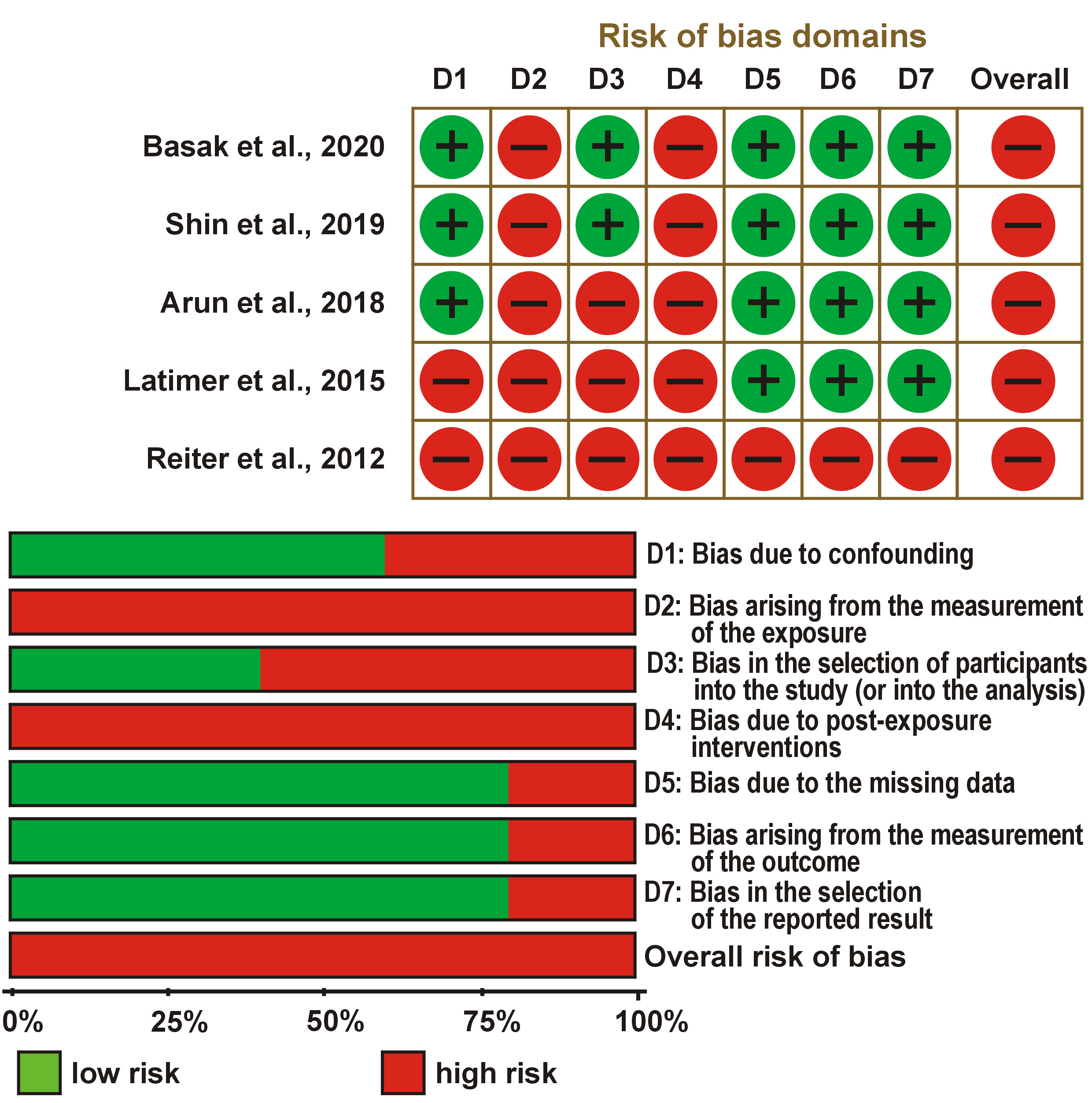
When evaluated using the RoB, all the included clinical trials were considered to have a high risk of bias (Figure 2). This classification was primarily due to the incomplete reporting of the key methodological aspects, particularly allocation concealment and blinding procedures, which are essential components of rigorous quality assessment.

Using the WCRF/UoB framework for evaluating cell line studies, 25 studies were rated as high quality, achieving scores between 5 and 6, while 5 studies were categorized as moderate quality with scores ranging from 3 to 4 (Table 3).

Discussion

Curcumin exhibits antimicrobial, antifungal, antiviral, anti-inflammatory, and pro-apoptotic properties. Despite significant advancements in chemotherapy and an improved understanding of the molecular pathophysiology of OC, the survival rates have remained relatively low, ranging from approx. 50% to 59% in recent years.60 Curcumin has been extensively investigated in numerous in vivo and in vitro models of OSCC worldwide. Studies have reported that curcumin reduces the proliferation of OSCC cell lines in a dose-dependent manner in both in vitro and in vivo settings.61

Curcumin modulates multiple signaling pathways in cancer cells, reduces the expression of the proteins associated with therapeutic resistance and enhances the efficacy of anti-cancer drugs at various stages of treatment. It may also inhibit drug resistance mechanisms by increasing the sensitivity of chemotherapy-resistant cells.62 Nanotechnology offers promising opportunities for developing medications with nanoscale dimensions, and nanocarrier-based drug delivery systems are being explored to improve the physicochemical properties and therapeutic efficacy of the drugs administered to these patients.60

Curcumin has been shown to suppress cellular proliferation and tumor metastasis while promoting apoptosis in OC cell lines through the modulation of multiple signaling pathways.7 The synergistic effects of curcumin in combination with the established chemotherapeutic agents, radiotherapy, the emerging therapeutic strategies, or other plant-derived compounds have been widely investigated across different tumor types. These studies have reported enhanced therapeutic benefits as compared to the conventional kinds of treatment alone.

Similar findings have been obtained in OSCC cell lines and experimental animal models when curcumin was combined with epigallocatechin gallate (EGCG), resveratrol and photodynamic therapy (PDT). Moreover, the interaction of curcumin with radiotherapy or chemotherapeutic agents such as cisplatin and 5-fluorouracil – commonly used in OSCC treatment – has been shown to significantly enhance anti-cancer efficacy. These outcomes are consistent with the conclusions of a previous systematic review.63

The development of innovative photodynamic nanotechnologies incorporating precise anti-cancer nanotheranostic systems has attracted considerable interest over recent decades. A novel strategy has been developed using tumor microenvironment–responsive, near-infrared–sensitive GNR drug conjugates to enable integrated plasmonic photothermal therapy for cancer treatment.64

Multiple preclinical studies have demonstrated the anti-cancer potential of curcumin in various cancers. Curcumin has been shown to induce G2/M phase cell cycle arrest, trigger apoptosis and autophagy, and disrupt the key molecular signaling pathways involved in tumor progression. It also interferes with tumor cell invasion and metastasis, thereby enhancing the therapeutic efficacy of currently used chemotherapeutic agents. Furthermore, the suppression of pro-inflammatory cytokines by curcumin may significantly reduce the inflammation associated with cancer progression. Curcumin also participates in additional signaling mechanisms, including the induction of neutrophil activation and degranulation through increased cell surface expression of markers such as CD35, CD66b and CD63.65

Several strategies related to drug formulation and delivery systems have been developed to overcome the limited oral absorption of curcumin caused by its poor solubility. In this review, we analyzed studies that investigated free curcumin, curcumin in combination with other agents, curcumin nanoformulations, and curcumin analogs. Among the included studies, 11 investigations evaluated free curcumin (37%), 10 examined curcumin nanoformulations (33%), 7 explored curcumin in combination with other agents (23%), and 2 investigated curcumin analogs (7%). The findings indicate that curcumin exhibits biological activity even in its unmodified form.

Although numerous novel curcumin nanoformulations have demonstrated promising antineoplastic, theranostic and chemo-adjuvant properties, the field of nanotechnology remains relatively new and still faces several limitations. One of the major technical challenges in drug development is controlling the size of curcumin nanoparticles for effective drug delivery applications. In addition, these technologies are often expensive and have not yet been widely implemented. Nevertheless, nanoparticle-based delivery systems have the potential to overcome the limitations of the low bioavailability of curcumin by improving its stability, enhancing cellular uptake and enabling controlled drug release. Therefore, such approaches may offer greater therapeutic promise than the use of free curcumin alone.66

Extensive research has been conducted to develop improved curcumin formulations. Various delivery systems, including liposomes, nanoemulsions, micelles and nanostructured lipid carriers, have been explored to enhance curcumin bioavailability. However, the surfactants and organic solvents used in the preparation of these formulations may introduce potential toxicological concerns, which should be carefully considered in future development.67

The U.S. Food and Drug Administration (FDA) (2013) classified curcumin as generally safe, with no significant adverse effects reported. Some isolated cases of transient allergic dermatitis have been documented.68 Dose-escalation studies have indicated that daily consumption of curcumin at doses up to 12 g does not produce serious toxic effects.69 Furthermore, the clinical investigations involving patients with solid tumors reported no significant adverse events following the oral administration of curcumin at a dose of 900 mg/day for 8 weeks, apart from mild gastrointestinal discomfort.70

A major limitation of the present review is that a meta-analysis could not be performed due to the heterogeneity of the available data.

Recommendations for the future

Although nanotechnology-based formulations have shown promise in overcoming the limited bioavailability of curcumin, these systems often lack adequate cellular specificity. While many innovative curcumin nanoformulations demonstrate notable anti-tumor and chemo-adjuvant properties, several technological challenges remain in their development. One of the primary challenges is the precise control of nanoparticle size to achieve effective targeted drug delivery. In addition, these technologies are costly and have not yet been widely commercialized.

Polymeric nanoparticles and liposomal systems have been shown to improve curcumin bioavailability. However, the potential risk of off-target toxicities has not been sufficiently investigated. Curcumin has been reported to exert cytotoxic effects on cancer cells while displaying cytoprotective effects on normal cells at different dosages and concentrations. These observations should be carefully considered in future preclinical and clinical studies evaluating novel curcumin formulations.

Furthermore, heterogeneity in study designs, formulation types, sample sizes, and routes of administration in human cancer studies makes it difficult to determine which formulation possesses the most favorable pharmaceutical characteristics.66 Many of these promising formulations have yet to undergo extensive clinical trials and require the development of cost-effective manufacturing methods. Therefore, further comprehensive in vivo studies and well-designed clinical trials are necessary to establish their potential therapeutic applications.

Conclusions

The combination therapies incorporating nanoformulations have gained considerable attention as promising drug delivery strategies that may overcome several limitations of the conventional treatment. These systems can enhance intracellular drug concentrations and improve synergistic therapeutic efficacy in cancer management. Novel curcumin formulations have been explored for their potential role in the treatment of OC, with encouraging outcomes.

Curcumin has been shown to exert beneficial effects on OSCC cell lines by reducing cell growth and viability, primarily through the induction of apoptosis via the intrinsic pathway and by causing cell cycle arrest at the G2/M phase. Furthermore, clinical studies have indicated that curcumin may reduce tumor size and exhibit anti-inflammatory and cytotoxic effects at the cellular level.

However, further research is needed to better understand how advanced delivery systems, such as liposomes and polymeric nanoparticles, influence the therapeutic efficacy of curcumin. In addition, comprehensive investigations into the bio-interactions between curcumin nanoparticles and cellular components are required to clarify the mechanisms responsible for their selective cellular uptake and activity.

Ethics approval and consent to participate

Not applicable.

Data availability

The datasets supporting the findings of the current study are available from the corresponding author on reasonable request.

Consent for publication

Not applicable.

Use of AI and AI-assisted technologies

During the preparation of this manuscript, the authors used DeepL Translate for language checking/grammar correction. After its use, the authors thoroughly reviewed, verified and revised all content to ensure accuracy and originality. The authors take full responsibility for the integrity and final content of the published article.
Tables


Table 1. Summary characteristics of the clinical studies included in the review

Study

Country

Study design

Sample size
(n)

Age
[years]

Gender
M/F [%]

Intervention group and drug dosage

Control group

Assay

Study inference

Arun et al.28
2018

India

single-blinded RCT

I: 12
C: 9

NA

NA

cisplatin infusion (50 mg/m2) weekly, along with radiotherapy and curcumin – 1.5 g/day (3 × 500 mg)

cisplatin infusion (50 mg/m2) weekly, along with radiotherapy and placebo

CECT and the RECIST criteria

The curcumin group exhibited a marginal reduction in tumor dimension, with 58.3% showing a partial response and 41.7% showing stable disease; no statistically significant difference in comparison with the control group.

Basak et al.29
2020

USA

double-blind RCT

I: 12
C: 13

above 18

NA

transoral administration of APG-157 (3 × 100 mg and 3 × 200 mg)

healthy volunteers

multiplex immune-fluorescence, cytokine analysis and 16S rRNA gene sequencing

Curcumin caused a decrease in inflammatory markers and bacteroides species in the saliva, and an increase in immune T cells in tumor tissues.

Latimer et al.41
2015

USA

clinical trial

I: 15
C: 8

I: 52.7 ±11.5
C: 41.8 ±13.4

I: 93.3/6.7
C: 62.5/37.5

HNSCC;
transmucosal administration of 4 g of microgranular curcumin

healthy volunteers

multiplex immunoassay and immune-histochemistry

A considerable decrease in the production of FGF-2, GM-CSF and IL-17 was documented.

Reiter et al.51
2012

Germany

ex vivo

mini organ culture of macroscopically healthy pharyngeal tissue of 40 patients with oropharyngeal SCC

NA

NA

tobacco smoke condensate (0.7 mg/dL) and 1 µM of curcumin

tobacco smoke condensate (0.7 mg/dL) and 0.1 µM of celecoxib

Comet assay, and Comet-FISH

DNA fragmentation was markedly decreased in the celecoxib and curcumin groups, with comparable anti-cancer potential.

Shin et al.52
2019

USA

double-blind, randomized, placebo-controlled phase I clinical trial

I: 12
C: 13

NA

NA

OSCC;
oral administration of APG-157 (3 × 100 mg and 3 × 200 mg)

healthy volunteers

multiplex ELISA, 16S rRNA gene sequencing and immune-fluorescence

The drug had potent anti-tumor action without any adverse events; a marked increase in CD4 and CD8 infiltration was reported, and a dose-dependent reduction of inflammatory cytokines was noted.

M – male; F – female; RCT – randomized clinical trial; I – intervention group; C – control group; SSC – squamous cell carcinoma; HNSCC – head and neck squamous cell carcinoma; OSCC – oral squamous cell carcinoma; CECT – contrast-enhanced computed tomography; RECIST – Response Evaluation Criteria in Solid Tumors; FISH – fluorescence in situ hybridization; ELISA – enzyme-linked immunosorbent assay; FGF-2 – fibroblast growth factor-2; GM-CSF – granulocyte-macrophage colony-stimulating factor; IL-17 – interleukin 17; NA – data not available.
Table 2. Summary characteristics of the in vitro studies included in the review

Study

Country

Study design

Curcumin formulations

Cell lines

Source of cell lines

Culture conditions

Duration

Dosage

Assay

Study findings

Study inference

Ahn
et al.
25
2012

South Korea

in vitro

curcumin and PDT

AMC-HN3

Asan Medical Center, South Korea

RPMI 1640 medium with 10% FBS, and 100 µg/mL streptomycin and 100 U/mL penicillin

48 h

25 µM

MTT assay, morphological assay and Western blot

The PDT combined with curcumin increased cytotoxic and apoptotic action through the mitochondria-dependent apoptosis pathway and ROS generation.

These findings imply that the PDT plus curcumin combination method has a superior therapeutic effect in vitro.

Almalki
et al.
26
2021

Saudi Arabia

in vitro

combination of curcumin, desmethoxy-curcumin and bisdemethoxy-curcumin

HNO97

Cell Lines Services, USA

2% FBS-DMEM

48 h

35–65 μM

water-soluble tetrazolium salt, Annexin assay, Comet assay, and flow cytometry

Nanocurcumin significantly reduced the growth of HNO97 cells, and shows promise in preventing cancer development. Moreover, curcumin-induced DNA damage suggests an additional mechanism for the cytotoxic effects of curcuminoids.

Curcuminoids enhance apoptosis and inhibit the proliferation of tumor cells.

Ardito
et al.
27
2018

Italy

in vitro

free curcumin

TSCC

NA

NA

72 h

50 μM

MTT assay, apoptosis assay, and migration assay

The results suggest the potential utilization of curcumin as an anti-cancer agent in TSCC.

A marked decrease in cellular proliferation, as well as apoptosis were reported.

Camacho-Alonso
et al.
30
2013

Spain

in vitro

curcumin, lycopene, and the combination of both

PE/CA-PJ15 cell lines irradiated

European Collection of Cell Cultures

DMEM with 10% FBS, 1% antibiotic

72 h

6.75 µM

MTT assay, apoptosis assay and ELISA

Cytotoxicity was increased with the curcumin and lycopene treatment. A synergetic effect was observed with the combination therapy.

The cytotoxic activity of curcumin and lycopene is increased in the PE/CA-PJ15 cell line.

Chang
et al.
31
2013

Taiwan

in vitro

PLGA curcumin nanoparticles

CAL-27-cisplatin-resistant human OC cells

ATCC

DMEM with 10% FBS, 100 µg/mL streptomycin, 100 U/mL penicillin, 2 mM L-glutamine, and 100 µM cisplatin

24 h

40 µM

MTT assay, Western blot and RT-PCR

Curcumin nanoparticles enhanced apoptosis in CAR cells by modulating MRP1 and promoting ROS generation.

Curcumin nanoparticles cause CAL-27-cisplatin-resistant human OC cells to undergo apoptosis.

Essawy
et al.
32
2022

Egypt

in vitro

nanocurcumin

SCC-4 and human gingival fibroblasts

ATCC and CERRMA

DMEM with 10% FBS, penicillin, streptomycin, trypsin/EDTA, and PBS

24 h

60.8 µg/mL

MTT assay, apoptosis assay and scratch wound healing assay

Nanocurcumin was found to possess a similar anti-tumorigenic effect as chemotherapeutic agents. Additionally, its remarkable luminescence makes it suitable to act as a dual theranostic agent, combining therapeutic and diagnostic capabilities.

Nanocurcumin has better biocompatibility and more potent cytotoxic effect than normal curcumin.

De Souza Ferreira
et al.
33
2019

Brazil

in vitro

P407/C974P/
curcumin

FaDu and CAL-27 (OSCC cells) and FNB6 (normal oral immortalized keratinocytes)

NA

RPMI for FaDu, DMEM for CAL-27, and Green's medium for FNB6

24 h

10–2,000 µM

MTT assay, anisotropy and rheology

The cytotoxicity testing showed that the formulations were selective in targeting cancer cells while sparing healthy cells.

The mucoadhesive nanostructured curcumin system enhances drug permeation and promotes selective activity against cancer cells.

Ghosh
et al.
34
2018

India

in vitro

DNA curcumin complex with FdU nucleotides

UPCI-SCC-131

CSIR-IICB

DMEM with 10% FBS

48 h

40 µM

MTT assay and spectroscopy

Curcumin complexed with FdU nucleotides in a DNA hairpin structure exhibited enhanced cytotoxicity.

The complex is expected to be well tolerated, as curcumin and FdU-containing DNA exhibit low toxicity in vivo.

Gosangari
and Watkin
35
2012

USA

in vitro

liposomes

SCC-9

ATCC

DMEM, F12 medium with 10% FBS

24 h

0.2, 0.1, 0.05, and 0.025 wt/wt

MTT assay and encapsulation efficiency assay

Increased bioavailabilty of the drug-loaded liposomes was observed with notable cytotoxic effects against tumor cells.

These findings suggest that various liposomal formulations can be used to meet specific in vivo requirements for cancer treatment.

Jeon
et al.
36
2012

South Korea

in vitro

EF-24 and
curcumin

KB cell line

ATCC

minimum essential medium containing non-essential amino acids with 5% FBS

24 h

10 µM of EF-24, 50 µM of curcumin

MTT assay, DNA fragmentation, Western blot, and caspase activity assay

EF-24 and curcumin fostered the proteolytic cleavage of caspases-3, -7 and -9, and increased apoptosis.

According to these findings, EF-24 and curcumin cause KB human OC cells to undergo apoptosis and stop proliferating.

Kim
et al.
37
2012

South Korea

in vitro

free curcumin

YD10B cell lines

Yonsei University, Seoul, South Korea

DMEM with 10% FBS, and 1% penicillin and streptomycin

24 h

40 mM

MTT assay and Western blot

Curcumin induces apoptosis and ROS generation in OSCC.

Curcumin inhibits OSCC with anti-cancer properties, through both autophagy and apoptosis.

Kötting
et al.
38
2021

Germany

in vitro and ex vivo

free curcumin

SCC-1 and SCC-4 cell lines; tumor specimens of 9 HNSCC patients

University of Düsseldorf, Germany

DMEM with 10% FBS

48 h

20 μM

Western blot, ELISA, RT-qPCR, Annexin assay, and migration assay

The co-incubation of PIC with curcumin, but not with other NF-κB inhibitors, led to the inhibition of PIC-dependent NF-κB activation while enabling the unimpeded activation of the desired INF-I signaling pathway.

Curcumin inhibits the activation of NF-kB and has the potential for the reversal of the EMT process.

Kumbar
et al.
39
2022

India

in vitro

curcumin nanomicelles

cisplatin-resistant OC sublines Cis-KB

NA

DMEM with 10% FBS

48 h

147.96 µg/mL

MTT assay, flow cytometry, dual staining, and DAPI assay

Curcumin nanomicelles induce apoptotic cell death by altering the mitochondrial membrane potential.

Controlled drug release resulted in increased cellular uptake and higher frequency of apoptotic cells (31%).

Lai
et al.
40
2019

Taiwan

in vitro and in vivo

γ-PGA-gefitinib/
curcumin nanoparticles

SAS human OC cell line for in vitro and 20 four-week-old mice as the animal model

FIRDI, Taiwan

DMEM with 10% FBS, 2mM L-glutamine, 100 U/mL penicillin, and 100 μg/mL streptomycin

48 h

γ-PGA-Gef/Cur NPs with 20 μM of Gef and 10 μM of Cur

Western blot and flow cytometry

In the study, the animals were treated with PLGA NPs, free Gef/Cur, and γ-PGA-Gef/Cur NPs for 22 days. The measurements of animal body weight, tumor size and tumor weight were taken. The results indicated no significant difference in body weight. However, there were notable differences in tumor size between the free Gef/Cur and γ-PGA-Gef/Cur NPs groups.

The γ-PGA-Gef/Cur NPs considerably decreased tumor size as compared to the Gef/Cur group.

Liao
et al.
42
2018

China

in vitro and in vivo

free curcumin

CAL-27, FaDu cell lines and 4NQO mouse model

NA

DMEM
with 10% FBS, 100 U/mL penicillin and 100 μg/mL streptomycin

NA

NA

MTT assay and Western blot

Curcumin demonstrated an effective anti-tumor immune response by decreasing the number of regulatory T cells (Tregs) and MDSCs.

Both the experiments revealed PD-L1 and p-STAT3Y705 inhibition, indicating an anti-tumor response.

C. Lin
et al.
43
2017

China

in vitro

curcumin analog diphenyl difluoroketone (EF24)

CAL-27 human OSCC cell line

HyClone; GE HealthCare Life Sciences, USA

DMEM with 10% FBS, 100 U/mL penicillin, 100 µg/mL streptomycin

24 h

30 µM

MTT assay and Western blot

The present findings showed that EF24 increased the amount of cytoplasmic cytochrome c in CAL-27 cells, which lowered cell viability.

EF24 has a higher cytotoxic effect on CAL-27 cells than cisplatin.

H.Y. Lin
et al.
44
2012

Taiwan

in vitro

curcumin microemulsions

OSCC-4 and OSCC-25 cell lines

BCRC, Taiwan

DMEM and Ham's F12 medium

48 h

15 µM

MTT assay and zeta potential assay

Curcumin microemulsions revealed an enhanced cytotoxic effect when combined with ultrasound administration, notably on OSCC-25 cells.

The microscopic examination of the cells revealed cell rupture and damage, following treatment, confirming the harmful effects of curcumin microemulsions.

Lu
et al.
45
2012

China

in vitro

curcumin, F-CUR-L, CUR-L

KB, Hela and A549 cell lines

Chinese Academy of Science, Shanghai; Tongji Hospital, Huazhong University of Science and Technology, Wuhan, China

RPMI 1640 folate-free medium with 10% FBS, 100 U/mL penicillin, and 100 μg/mL streptomycin

24 h

14.5 µg/mL for free curcumin, 16.3 µg/mL for F-CUR-L and 29.5 µg/mL for CUR-L

MTT assay, Annexin and flow cytometry

F-CUR-L increased curcumin solubility and specifically targeted the folate receptor- positive tumor cell line.

Both dose- and time-dependent apoptosis was observed in the 2 types of tumor cells treated with F-CUR-L.

Ma
et al.
46
2020

China

in vitro

free curcumin

CAL-27 tongue cancer cell line

Procell Life Science & Technology, China

DMEM with 1% penicillin/streptomycin and 20% FBS

24 h

100 μM

CCK-8, TUNEL assay, Western blot, and scratch wound healing assay

This study uncovered the anti-proliferative and pro-apoptotic effects of curcumin in CAL-27 cells.

Curcumin promotes apoptosis through the modulation of oxygen-related signaling pathways and exhibits potential anti-cancer effects.

Mazzarino
et al.
47
2015

Brazil

in vitro

curcumin-loaded, chitosan-coated polycaprolactone nanoparticles

SCC-9 human OSCC

Rio de
Janeiro, Brazil

DMEM, F12 with 10% FBS, 100 U/mL penicillin, 100 µg/mL streptomycin, 10 mM HEPES, and 400 ng/mL hydrocortisone

72 h

500 µg/mL

MTT assay and zeta potential assay

Following treatment with curcumin-loaded, chitosan-coated polycaprolactone nanoparticles, drug retention in the mucosa indicates that these systems may be useful for the local treatment of a variety of illnesses. Furthermore, in vitro experiments showed that the nanoparticles dramatically reduced the survival of SCC-9 human OC cells by triggering apoptosis.

The mucoadhesive curcumin nanoparticles coated with chitosan showed increased cytotoxicity in the treatment of OC through oral administration.

Mishra
et al.
48
2015

India

in vitro

free curcumin

93VU147T cell lines

VU Medical Center, Molecular Pathology Unit, Amsterdam, the Netherlands

DMEM with 10% FBS

72 h

100 µM

MTT assay, Northern blot and PCR

Curcumin inhibits transcription factors, such as AP-1 and NF-kB, and selectively inhibits transcription of HPV16/E6 oncogene in OC cell lines.

Curcumin causes HPV16-infected OC cells (93VU147T) to undergo apoptosis.

Mukherjee
et al.
49
2022

India

in vitro

nanocurcumin, cetuximab, and the combination of both

KB-3-1 cell line

NCCS

DMEM with 10% FBS, 1% antibiotic-antimycotic solution

24 h

335.1 µg/mL

MTT assay

The cytotoxic effect of nanocurcumin on OSCC cells was found to be dependent on its concentration. Additionally, when combined with nanocurcumin, cetuximab induced greater cell death as compared to cetuximab alone. These results suggest the potential chemo-adjuvant effect of nanocurcumin.

A significant apoptosis was observed in the nanocurcumin group as compared to the cetuximab group. The combined therapy was more effective than a single-drug regimen.

Ohnishi
et al.
50
2020

Japan

in vitro

free curcumin

HSC-4 and Ca9-22

RIKEN BioResource Research Center, Japan

DMEM with 10% FBS

48 h

15 μM

Western blot, migration assay and gelatin zymography

It was shown that curcumin could inhibit HGF-induced EMT and cell motility in the OSCC cell line by blocking c-Met and inhibiting the ERK effector pathway.

The findings suggest that curcumin is a powerful drug that targets invasive OC cells.

Singh
et al.
53
2014

India

in vitro

nanoformulated curcumin–silica nanocomplex

SCC-4451 cell line

Institute of Nuclear Medicine and Allied Sciences, Delhi, India

DMEM with 10% FBS

24 h

25 µM

MTT assay and Western blot

Curcumin–SiNPs revealed enhanced bioavailability, and hence higher cytotoxic effects against OC cells than free curcumin due to the inhibition of NF-κB action.

The enhanced photodynamic activity of curcumin delivered via SiNPs in OC cells, together with the rapid accumulation of the nanoformulated drug, suggests that SiNPs may serve as a promising delivery vehicle.

Sivanantham
et al.
54
2016

India

in vitro

curcumin and/or 5-fluorouracil, doxorubicin or cisplatin

NT8e

Advanced Centre for Training, Research and Education on Cancer, Tata Memorial Hospital, India

DMEM with 10% FBS

48 h

15 µM

SRB assay, nuclear morphology with DAPI, flow cytometry, and Western blot

Curcumin combined with 5-fluorouracil or doxorubicin treatment caused apoptosis in NT8e cells by raising Bax, caspase-3 and PARP, and by inhibiting Bcl-2. This was further supported by y DAPI staining, which revealed typical apoptotic features in cells, including membrane blebbing, nuclear condensation and cell shrinkage.

Curcumin, along with doxorubicin or 5- fluorouracil, showed increased cytotoxicity, cell cycle arrest and apoptosis.

Xi
et al.
55
2015

China
and USA

in vitro

curcumin

FaDu and CAL-27

ATCC

DMEM with 10% FBS

24 h

12.5 µM

CCK-8, DNA fragmentation and Western blot

The findings revealed that curcumin inhibited pro-survival signaling pathways, leading to apoptosis and the suppression of HNSCC FaDu cell growth through the activation of the pro-apoptotic protein Bik.

Curcumin inhibits cell growth in a dose- and time-dependent manner, and increases apoptosis by activating the intrinsic mitochondria-mediated pathway.

Xiao
et al.
56
2014

China

in vitro

free curcumin

SCC-9

ATCC

NA

72 h

60 µM

MTT assay, Western blot and RT-PCR

Current findings imply that curcumin can suppress the growth of SCC-9 cells by promoting the production of miR-9 and interfering with the Wnt/β-catenin signaling pathway.

The results showed that curcumin upregulated the expression of miR-9, which decreased the growth of OSCC cells.

Zhen
et al.
57
2014

China

in vitro

free curcumin

SCC-25

ATCC

DMEM with 10% FBS, 100 U/mL penicillin, 100 µg/mL streptomycin

48 h

40 µM

MTT assay, Western blot and RT-PCR

Curcumin inhibits cellular proliferation through the inhibition of the phosphorylation of EGFR and EGFR downstream signaling of Akt, ERK1/2 and STAT3.

Through the EGFR signaling pathways, curcumin mediates the proliferation and invasion of OSCC cells.

Liu
et al.
58
2021

China

in vitro

free curcumin

HSC3 and CAL-33 cell lines

University of Wuhan; Hubei University of Medicine, Shiyan, China

DMEM with 10% FBS, 1% antibiotic

48 h

20 μM

Western blot, RT-qPCR, Dual-Luciferase Reporter, and CCK-8

The study showed that curcumin inhibited the proliferation and NF-κB activity of OSCC cells.

Curcumin decreases the production of Sp1, p65, and HSF1, and inhibits NF-κB activation in OC cells.

Srivastava
et al.
59
2018

India

in vitro

5-fluorouracil and curcumin nanoemulsions

SCC-090 and SCC-152 cell lines

NCCS

DMEM with 10–12% FBS, 1% streptomycin and penicillin cocktail

96 h

320 µg/mL

MTT assay and Western blot

The substantial induction of apoptosis in OSCC cells, SCC-090 and SCC-152, was demonstrated by alterations in protein expression, particularly in Blc2, Bax, p53, and p21.

5-fluorouracil and curcumin nanoemulsions exhibited enhanced apoptotic effects via multimodal therapeutic mechanisms against OSCC cells.

PDT – photodynamic therapy; PLGA – poly(lactic-co-glycolic acid); FdU – 5-fluoro-2’-deoxyuridine; γ-PGA – γ-polyglutamic acid; F-CUR-L – folate-receptor-targeted liposomal curcumin; CUR-L – non-targeted liposomal curcumin; OC – oral cancer; ATCC – American Type Culture Collection; CERRMA – Center of Excellence for Research in Regenerative Medicine and Application; CSIR-IICB – Indian Institute of Chemical Biology; FIRDI – Food Industry Research and Development Institute; BCRC – Bioresource Collection and Research Center; NCCS – National Centre for Cell Science; RPMI 1640 medium – Roswell Park Memorial Institute 1640 medium; FBS – fetal bovine serum; DMEM – Dulbecco’s modified Eagle medium; EDTA – ethylenediaminetetraacetic acid; PBS – phosphate-buffered saline; HEPES – 4-(2-hydroxyethyl)-1-piperazineethanesulfonic acid; MTT – 3-(4,5-dimethylthiazol-2-yl)-2,5-diphenyltetrazolium bromide; RT-PCR – real-time reverse transcriptase polymerase chain reaction; DAPI – 4’,6-diamidino-2-phenylindole; CCK-8 – Cell Counting Kit-8; SRB – sulforhodamine B; ROS – reactive oxygen species; TSCC – tongue squamous cell carcinoma; MRP1 – multidrug resistance protein 1; NF-κB – nuclear factor kappa-light-chain-enhancer of activated B cells; PIC – polyinosinic-polycytidylic acid; INF-1 – type-I interferon; EMT – epithelial-mesenchymal transition; MDSC – myeloid-derived suppressor cell; PD-L1 – programmed death-ligand 1; p-STAT3Y705 – phospho-signal transducer and activator of transcription 3; AP-1 – activator protein 1; HGF – hepatocyte growth factor; ERK – extracellular signal-regulated kinase; Bax – Bcl-2-associated X protein; PARP – poly(ADP-ribose) polymerase; Bcl-2 – B-cell lymphoma 2; EGFR –epidermal growth factor receptor; Akt – protein kinase B; ERK1/2 – extracellular signal-regulated kinases 1 and 2; Sp1 – specificity protein 1; p65 – transcription factor p65; HSF1 – heat shock factor 1; NA – data not available.
Table 3. Quality assessment of the cell line studies included in the review, based on the WCRF International/UoB recommendations

Study

Source

Culture medium

Replicates

Controls

Multiple cell lines

Selective reporting

Total

Ahn et al.25
2012

1

1

1

1

0

1

5

Almalki et al.26
2021

1

1

1

1

1

1

6

Ardito et al.27
2018

0

1

1

1

0

1

4

Camacho-Alonso et al.30
2013

1

1

1

1

0

1

5

Chang et al.31
2013

1

1

1

1

0

1

5

Essawy et al.32
2022

1

1

1

1

1

1

6

De Souza Ferreira et al.33
2019

0

1

1

0

1

1

4

Ghosh et al.34
2018

1

1

1

1

0

1

5

Gosangari and Watkin35
2012

1

1

1

1

0

1

5

Jeon et al.36
2012

1

1

1

1

0

1

5

Kim et al.37
2012

1

1

1

1

0

1

5

Kötting et al.38
2021

1

1

1

1

1

1

6

Kumbar et al.39
2022

0

1

1

1

0

1

4

Lai et al.40
2019

1

1

1

1

0

1

5

Liao et al.42
2018

0

1

1

1

1

1

5

C. Lin et al.43
2017

1

1

1

1

0

1

5

H.Y. Lin et al.44
2012

1

1

1

1

1

1

6

Lu et al.45
2012

1

1

1

1

1

1

6

Ma et al.46
2020

1

1

0

0

0

1

3

Mazzarino et al.47
2015

1

1

1

1

0

1

5

Mishra et al.48
2015

1

1

1

1

0

1

5

Mukherjee et al.49
2022

1

1

1

1

0

1

5

Ohnishi et al.50
2020

1

1

1

1

1

1

6

Singh et al.53
2014

1

1

1

0

0

1

4

Sivanantham et al.54
2016

1

1

1

1

0

1

5

Xi et al.55
2015

1

1

1

1

1

1

6

Xiao et al.56
2014

1

1

1

1

0

1

5

Zhen et al.57
2014

1

1

1

1

1

1

6

Liu et al.58
2021

1

1

1

1

1

1

6

Srivastava et al.59
2018

1

1

1

1

1

1

6

Figures


Fig. 1. PRISMA flow chart of the included studies (adapted from the Preferred Reporting Items for Systematic Reviews and Meta-Analyses 2009 flow diagram)
Fig. 2. Risk of bias of the reviewed clinical studies (Cochrane Collaboration Risk of Bias tool (RoB))

References (70)

  1. Wilken R, Veena MS, Wang MB, Srivatsan ES. Curcumin: A review of anti-cancer properties and therapeutic activity in head and neck squamous cell carcinoma. Mol Cancer. 2011;10:12. doi:10.1186/1476-4598-10-12
  2. Kabir MT, Rahman MH, Akter R, et al. Potential role of curcumin and its nanoformulations to treat various types of cancers. Biomolecules. 2021;11(3):392. doi:10.3390/biom11030392
  3. Utaipan T, Boonyanuphong P, Chuprajob T, Suksamrarn A, Chunglok W. A trienone analog of curcumin, 1,7-bis(3-hydroxyphenyl)-1,4,6-heptatrien-3-one, possesses ROS- and caspase-mediated apoptosis in human oral squamous cell carcinoma cells in vitro. Appl Biol Chem. 2020;63:7. doi:10.1186/s13765-020-0491-8
  4. Zoi V, Galani V, Lianos GD, Voulgaris S, Kyritsis AP, Alexiou GA. The role of curcumin in cancer treatment. Biomedicines. 2021;9(9):1086. doi:10.3390/biomedicines9091086
  5. Davoodvandi A, Farshadi M, Zare N, et al. Antimetastatic effects of curcumin in oral and gastrointestinal cancers. Front Pharmacol. 2021;12:668567. doi:10.3389/fphar.2021.668567
  6. Doello K, Ortiz R, Alvarez PJ, Melguizo C, Cabeza L, Prados J. Latest in vitro and in vivo assay, clinical trials and patents in cancer treatment using curcumin: A literature review. Nutr Cancer. 2018;70(4):569–578. doi:10.1080/01635581.2018.1464347
  7. Singh AK, Sharma NK, Mishra N, et al. Effects of curcumin on oral cancer at molecular level : A systematic review. Natl J Maxillofac Surg. 2023;14(1):9–15. doi:10.4103/njms.njms_29_22
  8. Erdilek D, Gümüştaş B, Güray Efes B. Digitalization era of dental education: A systematic review. Dent Med Probl. 2023;60(3):513–525. doi:10.17219/dmp/156804
  9. Alshiddi IF. Survival rate and clinico-radiographic parameters around narrow-diameter dental implants for fixed dental prostheses in the posterior regions: A systematic review. Dent Med Probl. 2023;60(2):345–353. doi:10.17219/dmp/140757
  10. Dommeti VK, Pramanik S, Roy S. Design of customized coated dental implants using finite element analysis. Dent Med Probl. 2023;60(3):385–392. doi:10.17219/dmp/142447
  11. Viswanath Reddy LK, Madithati P, Narapureddy BR, et al. Perception about health applications (apps) in smartphones towards telemedicine during COVID-19: A cross-sectional study. J Pers Med. 2022;12(11):1920. doi:10.3390/jpm12111920
  12. Rathi S, Chaturvedi S, Abdullah S, et al. Clinical trial to assess physiology and activity of masticatory muscles of complete denture wearer following vitamin D intervention. Medicina (Kaunas). 2023;59(2):410. doi:10.3390/medicina59020410
  13. Chuprajob T, Changtam C, Chokchaisiri R, Chunglok W, Sornkaew N, Suksamrarn A. Synthesis, cytotoxicity against human oral cancer KB cells and structure–activity relationship studies of trienone analogues of curcuminoids. Bioorg Medl Chem Lett. 2014;24(13):2839–2844. doi:10.1016/j.bmcl.2014.04.105
  14. Piwowarczyk L, Stawny M, Piwowarczyk K, et al. Role of curcumin in selected head and neck lesions. Limitations on the use of the Hep-2 cell line: A critical review. Biomed Pharmacother. 2022;154:113560. doi:10.1016/j.biopha.2022.113560
  15. Navya PN, Kaphle A, Srinivas SP, Bhargava SK, Rotello VM, Daima HK. Current trends and challenges in cancer management and therapy using designer nanomaterials. Nano Converg. 2019;6(1):23. doi:10.1186/s40580-019-0193-2
  16. Ronsivalle V, Carli E, Lo Giudice A, Lagravère M, Leonardi R, Venezia P. Nasal septum changes in adolescents treated with tooth-borne and bone-borne rapid maxillary expansion: A CBCT retrospective study using skeletal tortuosity ratio and deviation analysis. Children (Basel). 2022;9(12):1853. doi:10.3390/children9121853
  17. Lo Giudice A, Ronsivalle V, Santonocito S, et al. Digital analysis of the occlusal changes and palatal morphology using elastodontic devices. A prospective clinical study including Class II subjects in mixed dentition. Eur J Paediatr Dent. 2022;23(4):275–280. doi:10.23804/ejpd.2022.23.04.04
  18. Fama F, Cicciu M, Sindoni A, et al. Maxillofacial and concomitant serious injuries: An eight-year single center experience. Chin J Traumatol. 2017;20(1):4–8. doi:10.1016/j.cjtee.2016.11.003
  19. Cervino G, Fiorillo L, Spagnuolo G, et al. Interface between MTA and dental bonding agents: Scanning electron microscope evaluation. J Int Soc Prev Community Dent. 2017;7(1):64–68. doi:10.4103/jispcd.JISPCD_521_16
  20. Bollero P, Franco R, Cecchetti F, et al. Oral health and implant therapy in Parkinson’s patients: Review. Oral Implantol (Rome). 2017;10(2):105–111. doi:10.11138/orl/2017.10.2.105
  21. Franco R, Gianfreda F, Miranda M, Barlattani A, Bollero P. The hemostatic properties of chitosan in oral surgery. Biomed Biotechnol Res J. 2020;4(3):186–188. doi:10.4103/bbrj.bbrj_43_20
  22. Page MJ, McKenzie JE, Bossuyt PM, et al. The PRISMA 2020 statement: An updated guideline for reporting systematic reviews. BMJ. 2021;372:n71. doi:10.1136/bmj.n71
  23. Higgins JP, Altman DG, Gøtzsche PC, et al. The Cochrane Collaboration’s tool for assessing risk of bias in randomised trials. BMJ. 2011;343:d5928. doi:10.1136/bmj.d5928
  24. Lewis SJ, Gardner M, Higgins J, et al. Developing the WCRF International/University of Bristol methodology for identifying and carrying out systematic reviews of mechanisms of exposure–cancer associations. Cancer Epidemiol Biomarkers Prev. 2017;26(11):1667–1675. doi:10.1158/1055-9965.EPI-17-0232
  25. Ahn JC, Kang JW, Shin JI, Chung PS. Combination treatment with photodynamic therapy and curcumin induces mitochondria-dependent apoptosis in AMC-HN3 cells. Int J Oncol. 2012;41(6):2184–2190. doi:10.3892/ijo.2012.1661
  26. Almalki Z, Algregri M, Alhosin M, Alkhaled M, Damiati S, Zamzami MA. In vitro cytotoxicity of curcuminoids against head and neck cancer HNO97 cell line. Braz J Biol. 2021;83:e248708. doi:10.1590/1519-6984.248708
  27. Ardito F, Perrone D, Giuliani M, Testa NF, Lo Muzio L. Effects of curcumin on squamous cell carcinoma of tongue: An in vitro study. Curr Top Med Chem. 2018;18(3):233–243. doi:10.2174/1568026618666180412153824
  28. Arun P, Sagayaray A, Azeem Mohiyuddin SM, Santosh D. Role of curcumin as an adjuvant in treatment of advanced head and neck squamous cell carcinoma. Int J Otorhinolaryngol Head Neck Surg. 2018;4(6):1388–1393. doi:10.18203/issn.2454-5929.ijohns20184348
  29. Basak SK, Bera A, Yoon AJ, et al. A randomized, phase 1, placebo-controlled trial of APG-157 in oral cancer demonstrates systemic absorption and an inhibitory effect on cytokines and tumor-associated microbes. Cancer. 2020;126(8):1668–1682. doi:10.1002/cncr.32644
  30. Camacho-Alonso F, López-Jornet P, Tudela-Mulero MR. Synergic effect of curcumin or lycopene with irradiation upon oral squamous cell carcinoma cells. Oral Dis. 2013;19(5):465–472. doi:10.1111/odi.12025
  31. Chang PY, Peng SF, Lee CY, et al. Curcumin-loaded nanoparticles induce apoptotic cell death through regulation of the function of MDR1 and reactive oxygen species in cisplatin-resistant CAR human oral cancer cells. Int J Oncol. 2013;43(4):1141–1150. doi:10.3892/ijo.2013.2050
  32. Essawy MM, Mohamed MM, Raslan HS, Rafik ST, Awaad AK, Ramadan OR. The theranostic potentialities of bioavailable nanocurcumin in oral cancer management. BMC Complement Med Ther. 2022;22(1):309. doi:10.1186/s12906-022-03770-3
  33. De Souza Ferreira SB, Braga G, Oliveira ÉL, et al. Design of a nanostructured mucoadhesive system containing curcumin for buccal application: From physicochemical to biological aspects. Beilstein J Nanotechnol. 2019;10:2304–2328. doi:10.3762/bjnano.10.222
  34. Ghosh S, Mallick S, Das U, et al. Curcumin stably interacts with DNA hairpin through minor groove binding and demonstrates enhanced cytotoxicity in combination with FdU nucleotides. Biochim Biophys Acta Gen Subj. 2018;1862(3):485–494. doi:10.1016/j.bbagen.2017.10.018
  35. Gosangari SL, Watkin KL. Effect of preparation techniques on the properties of curcumin liposomes: Characterization of size, release and cytotoxicity on a squamous oral carcinoma cell line. Pharm Dev Technol. 2012;17(1):103–109. doi:10.3109/10837450.2010.522583
  36. Jeon HS, Jo MH, Kim HJ, et al. Anticancer activities of diphenyl difluoroketone, a novel curcumin analog, on KB human oral cancer cells. J Korean Soc Appl Biol Chem. 2012;55:451–456. doi:10.1007/s13765-012-1168-8
  37. Kim JY, Cho TJ, Woo BH, et al. Curcumin-induced autophagy contributes to the decreased survival of oral cancer cells. Arch Oral Biol. 2012;57(8):1018–1025. doi:10.1016/j.archoralbio.2012.04.005
  38. Kötting C, Hofmann L, Lotfi R, et al. Immune-stimulatory effects of curcumin on the tumor microenvironment in head and neck squamous cell carcinoma. Cancers (Basel). 2021;13(6):1335. doi:10.3390/cancers13061335
  39. Kumbar VM, Muddapur U, Bin Muhsinah A, et al. Curcumin-encapsulated nanomicelles improve cellular uptake and cytotoxicity in cisplatin-resistant human oral cancer cells. J Funct Biomater. 2022;13(4):158. doi:10.3390/jfb13040158
  40. Lai KC, Chueh FS, Hsiao YT, et al. Gefitinib and curcumin-loaded nanoparticles enhance cell apoptosis in human oral cancer SAS cells in vitro and inhibit SAS cell xenografted tumor in vivo. Toxicol Appl Pharmacol. 2019;382:114734. doi:10.1016/j.taap.2019.114734
  41. Latimer B, Ekshyyan O, Nathan N, et al. Enhanced systemic bioavailability of curcumin through transmucosal administration of a novel microgranular formulation. Anticancer Res. 2015;35(12):6411–6418. PMID:26637850.
  42. Liao F, Liu L, Luo E, Hu J. Curcumin enhances anti-tumor immune response in tongue squamous cell carcinoma. Arch Oral Biol. 2018;92:32–37. doi:10.1016/j.archoralbio.2018.04.015
  43. Lin C, Tu C, Ma Y, et al. Curcumin analog EF24 induces apoptosis and downregulates the mitogen activated protein kinase/extracellular signal-regulated signaling pathway in oral squamous cell carcinoma. Mol Med Rep. 2017;16(4):4927–4933. doi:10.3892/mmr.2017.7189
  44. Lin HY, Thomas JL, Chen HW, Shen CM, Yang WJ, Lee MH. In vitro suppression of oral squamous cell carcinoma growth by ultrasound-mediated delivery of curcumin microemulsions. Int J Nanomedicine. 2012;7:941–951. doi:10.2147/IJN.S28510
  45. Lu Y, Ding N, Yang C, Huang L, Liu J, Xiang G. Preparation and in vitro evaluation of a folate-linked liposomal curcumin formulation. J Liposome Res. 2012;22(2):110–119. doi:10.3109/08982104.2011.627514
  46. Ma C, Zhuang Z, Su Q, He J, Li H. Curcumin has anti-proliferative and pro-apoptotic effects on tongue cancer in vitro: A study with bioinformatics analysis and in vitro experiments. Drug Des Devel Ther. 2020;14:509–518. doi:10.2147/DDDT.S237830
  47. Mazzarino L, Loch-Neckel G, Dos Santos Bubniak L, et al. Curcumin-loaded chitosan-coated nanoparticles as a new approach for the local treatment of oral cavity cancer. J Nanosci Nanotechnol. 2015;15(1):781–791. doi:10.1166/jnn.2015.9189
  48. Mishra A, Kumar R, Tyagi A, et al. Curcumin modulates cellular AP-1, NF-kB, and HPV16 E6 proteins in oral cancer. Ecancermedicalscience. 2015;9:525. doi:10.3332/ecancer.2015.525
  49. Mukherjee D, Dash P, Ramadass B, Mangaraj M. Nanocurcumin in oral squamous cancer cells and its efficacy as a chemo-adjuvant. Cureus. 2022;14(5):e24678. doi:10.7759/cureus.24678
  50. Ohnishi Y, Sakamoto T, Zhengguang L, et al. Curcumin inhibits epithelial-mesenchymal transition in oral cancer cells via c-Met blockade. Oncol Lett. 2020;19(6):4177–4182. doi:10.3892/ol.2020.11523
  51. Reiter M, Baumeister P, Boeck D, Schwenk-Zieger S, Harréus U. Reduction of DNA damage by curcumin and celecoxib in epithelial cell cultures of the oropharynx after incubation with tobacco smoke condensate. Anticancer Res. 2012;32(8):3185–3190. PMID:22843891.
  52. Shin DS, Srivatsan E, Nasser H, et al. Potential role of botanical drug APG-157 as immune adjuvant in patients with oral squamous cell carcinoma. J Clin Oncol. 2019;37(15 Suppl):e17572. doi:10.1200/JCO.2019.37.15_suppl.e1757
  53. Singh SP, Sharma M, Gupta PK. Enhancement of phototoxicity of curcumin in human oral cancer cells using silica nanoparticles as delivery vehicle. Lasers Med Sci. 2014;29(2):645–652. doi:10.1007/s10103-013-1357-7
  54. Sivanantham B, Sethuraman S, Krishnan UM. Combinatorial effects of curcumin with an anti-neoplastic agent on head and neck squamous cell carcinoma through the regulation of EGFR-ERK1/2 and apoptotic signaling pathways. ACS Comb Sci. 2016;18(1):22–35. doi:10.1021/acscombsci.5b00043
  55. Xi Y, Gao H, Callaghan MU, et al. Induction of BCL2-interacting killer, BIK, is mediated for anti-cancer activity of curcumin in human head and neck squamous cell carcinoma cells. J Cancer. 2015;6(4):327–332. doi:10.7150/jca.11185
  56. Xiao C, Wang L, Zhu L, Zhang C, Zhou J. Curcumin inhibits oral squamous cell carcinoma SCC-9 cells proliferation by regulating miR-9 expression. Biochem Biophys Res Commun. 2014;454(4):576–580. doi:10.1016/j.bbrc.2014.10.122
  57. Zhen L, Fan D, Yi X, Cao X, Chen D, Wang L. Curcumin inhibits oral squamous cell carcinoma proliferation and invasion via EGFR signaling pathways. Int J Clin Exp Pathol. 2014;7(10):6438–6446. PMID:25400722. PMCID:PMC4230161.
  58. Liu T, Long T, Li H. Curcumin suppresses the proliferation of oral squamous cell carcinoma through a specificity protein 1/nuclear factor‑κB‑dependent pathway. Exp Ther Med. 2021;21(3):202. doi:10.3892/etm.2021.9635
  59. Srivastava S, Mohammad S, Pant AB, et al. Co-delivery of 5-fluorouracil and curcumin nanohybrid formulations for improved chemotherapy against oral squamous cell carcinoma. J Maxillofac Oral Surg. 2018;17(4):597–610. doi:10.1007/s12663-018-1126-z
  60. Fazli B, Irani S, Bardania H, Moosavi MS, Rohani B. Prophylactic effect of topical (slow-release) and systemic curcumin nano-niosome antioxidant on oral cancer in rat. BMC Complement Med Ther. 2022;22(1):109. doi:10.1186/s12906-022-03590-5
  61. Alok A, Singh ID, Singh S, Jha A. Curcumin: Pharmacological actions and its role in head and neck squamous cell carcinoma – a review. J Indian Acad Oral Med Radiol. 2017;29(2):115–118. doi:10.4103/jiaomr.JIAOMR_100_16
  62. Mansouri K, Rasoulpoor S, Daneshkhah A, et al. Clinical effects of curcumin in enhancing cancer therapy: A systematic review. BMC Cancer. 2020;20(1):791. doi:10.1186/s12885-020-07256-8
  63. Borges GÁ, Rêgo DF, Assad DX, Coletta RD, De Luca Canto G, Silva Guerra EN. In vivo and in vitro effects of curcumin on head and neck carcinoma: A systematic review. J Oral Pathol Med. 2017;46(1):3–20. doi:10.1111/jop.12455
  64. Zhu F, Tan G, Jiang Y, Yu Z, Ren F. Rational design of multi-stimuli-responsive gold nanorod-curcumin conjugates for chemo-photothermal synergistic cancer therapy. Biomater Sci. 2018;6(11):2905–2917. doi:10.1039/c8bm00691a
  65. Madamsetty VS, Vazifehdoost M, Alhashemi SH, et al. Next-generation hydrogels as biomaterials for biomedical applications: Exploring the role of curcumin. ACS Omega. 2023;8(10):8960–8976. doi:10.1021/acsomega.2c07062
  66. Mukherjee D, Krishnan A. Therapeutic potential of curcumin and its nanoformulations for treating oral cancer. World J Methodol. 2023;13(3):29–45. doi:10.5662/wjm.v13.i3.29
  67. Shin MS, Yu JS, Lee J, et al. A hydroxypropyl methylcellulose-based solid dispersion of curcumin with enhanced bioavailability and its hepatoprotective activity. Biomolecules. 2019;9(7):281. doi:10.3390/biom9070281
  68. Lamb SR, Wilkinson SM. Contact allergy to tetrahydrocurcumin. Contact Dermatitis. 2003;48(4):227. doi:10.1034/j.1600-0536.2003.00062.x
  69. Lao CD, Ruffin MT 4th, Normolle D, et al. Dose escalation of a curcuminoid formulation. BMC Complement Altern Med. 2006;6:10. doi:10.1186/1472-6882-6-10
  70. Panahi Y, Saadat A, Beiraghdar F, Hosseini Nouzari SM, Jalalian HR, Sahebkar A. Antioxidant effects of bioavailability-enhanced curcuminoids in patients with solid tumors: A randomized double-blind placebo-controlled trial. J Funct Foods. 2014;6:615–622. doi:10.1016/j.jff.2013.12.008